Two years ago a buyer trend report was dominated by statement pieces, neon enamel and maximalist layering. The 2026 shelf tells a different story: the top-selling SKUs in mid-market boutiques are splitting into two clean lanes. One lane is quiet-luxury minimalism, the other is curated vintage revival. Everything in between is selling slowly. This article tells wholesale buyers which shapes, stones and finishes to pre-order for Q4 and spring.
Lane one: quiet-luxury minimalism
Minimalism in 2026 is not small. It is deliberate. The shapes that repeat across brands are: 1.5 to 2mm box chains, medium-hoop earrings in 25 to 35mm diameters, signet rings worn pinky-first, and small oval or round pendants on fine cable chains. The palette is limited to 14k yellow gold, polished sterling silver, and a small amount of matte black PVD. Stones are absent or single: one 4mm bezel-set stone, no pavé, no halos.
The commercial logic is repeat wear. A minimalist earring and pendant set goes with every outfit in the customer closet, so it earns its price faster than a statement piece worn twice a year. Reorder rates on these SKUs run 30 to 50% higher than on seasonal statement lines. Stock them in three metal finishes and let the customer build a stack over time.
Lane two: vintage revival, filtered through modern cuts
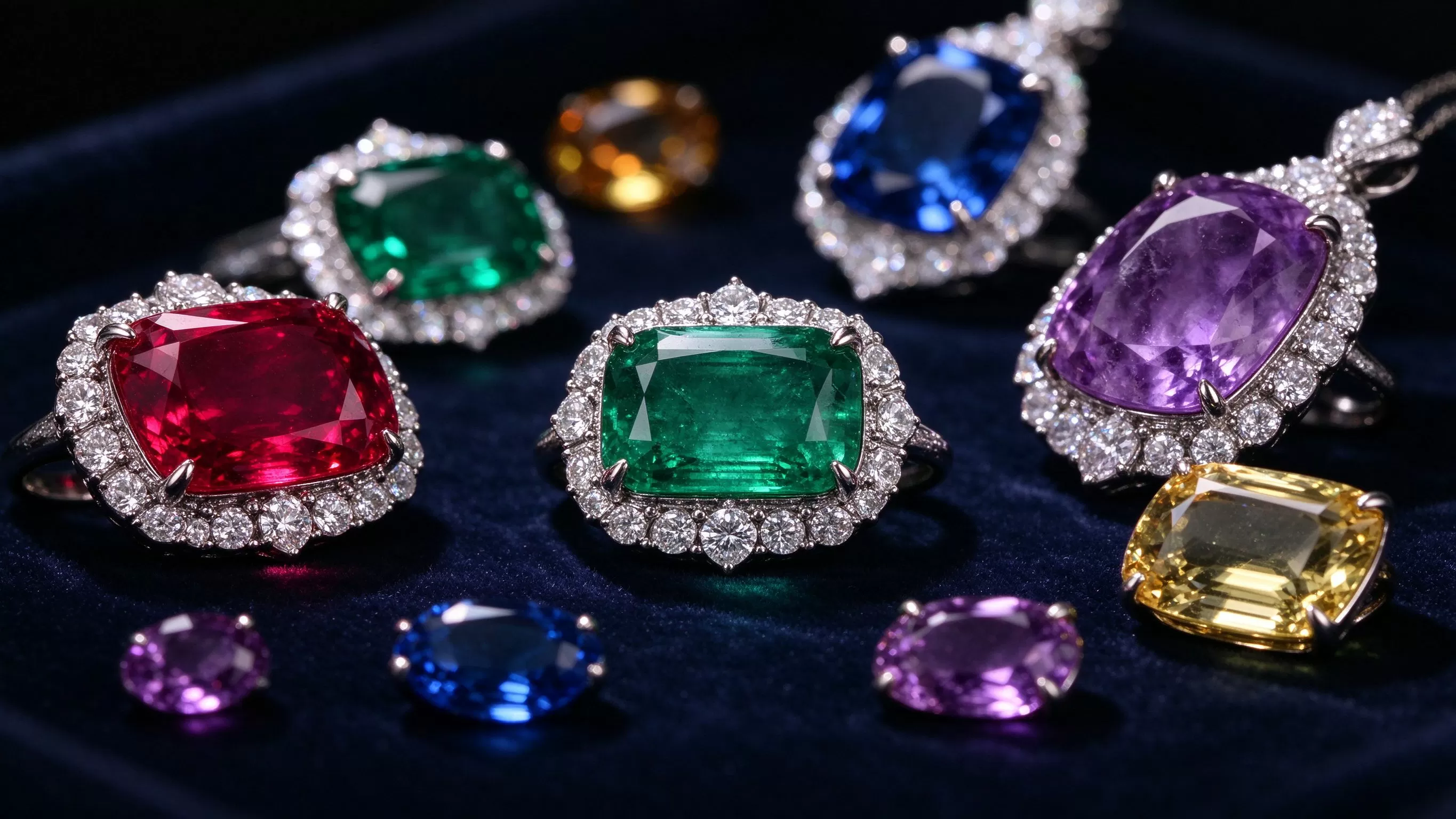
The vintage direction in 2026 is not literal vintage. It is 1970s and 1990s silhouettes rebuilt in current materials: oval cabochon pendants, rope chains, heart lockets, pearl studs set in a bezel rather than a basket, and signet rings with a hand-engraved crest. Colored stones return in a muted palette: moss agate, lavender amethyst, champagne quartz, London blue topaz. The look is collected, not costume.
This lane overlaps with the retro engagement ring market, where elongated cuts like emerald, marquise and cushion continue to outgrow rounds. Buyers who want to lean into vintage should also look at antiqued plating and oxidized silver, because the patina is what reads vintage in mass-produced jewelry.
What is fading out
Three trends from the 2023 to 2024 cycle are losing shelf space: oversized chunky chains worn as a single look, brightly enameled charms, and very thin pancake rings that bend on first wear. Pavé engagement rings are stabilizing but not growing; solitaire and three-stone settings are the growth cuts. Lab-grown diamond share continues to climb in the affordable engagement segment, which pushes natural melee into gift and anniversary categories. If you are stocking lab-grown pieces, our certificate comparison explains which reports buyers expect at retail.
For the base-metal side of the trend cycle, sterling silver vs stainless steel decides which pieces take plating and which survive gym bags. The sterling silver reference sets the 925 baseline that retailers will keep asking for.
How to buy for 2026
Plan a 60/30/10 split: 60% minimalist everyday (chains, hoops, signets, small pendants), 30% vintage revival (cabochons, lockets, rope, muted color stones), 10% experimental statement for window displays. Pre-order the minimalist core by February for Q4 delivery, because lead times on fine-weight chains have stretched to 10 to 14 weeks. Use trade shows and wholesale markets to validate the vintage lane before committing to deep inventory; see our wholesale market buyer tips for how to walk a hall without over-ordering.
Price positioning for gifting traffic matters more than ever. Our budget gift guide shows which price points convert in the minimalist lane, so stock the everyday lane first and layer in vintage as the customer base builds.
Frequently asked questions
Is vintage jewelry still trending in 2026?
Yes, but filtered. Customers want 1970s and 1990s silhouettes in modern materials, not literal second-hand pieces. Cabochons, rope chains, lockets and signets are the repeat shapes.
What metal finishes are growing?
14k yellow gold tone, polished sterling silver, and black PVD on stainless steel. Rose gold has cooled from its 2021 peak and is now a secondary finish.
Should I stock statement pieces at all?
Yes, about 10% of the shelf, for window display and editorial shoots. They drive foot traffic and social content. Do not expect them to reorder like everyday pieces.
Are lab-grown diamonds still growing in 2026?
Yes, in the $1,000 to $5,000 engagement segment. At very low price points, moissanite and clean CZ hold the affordable sparkle slot. Stock to the customer budget, not to a trend article.
When should I pre-order for holiday 2026?
Place core reorders by February or March for October delivery. Fine-weight chain lead times are 10 to 14 weeks, and Q4 shipping adds another two. Waiting until summer usually means missing the window.
Stock the two lanes customers actually buy. HOLYCOME supplies minimalist everyday chains, hoops and signets alongside vintage-inspired cabochon and locket lines, with Q4 lead times confirmed on every PO. Request a 2026 trend sample box to see both lanes in person.