Buying Guides: Compared: What Changes Between Entry, Core and Premium
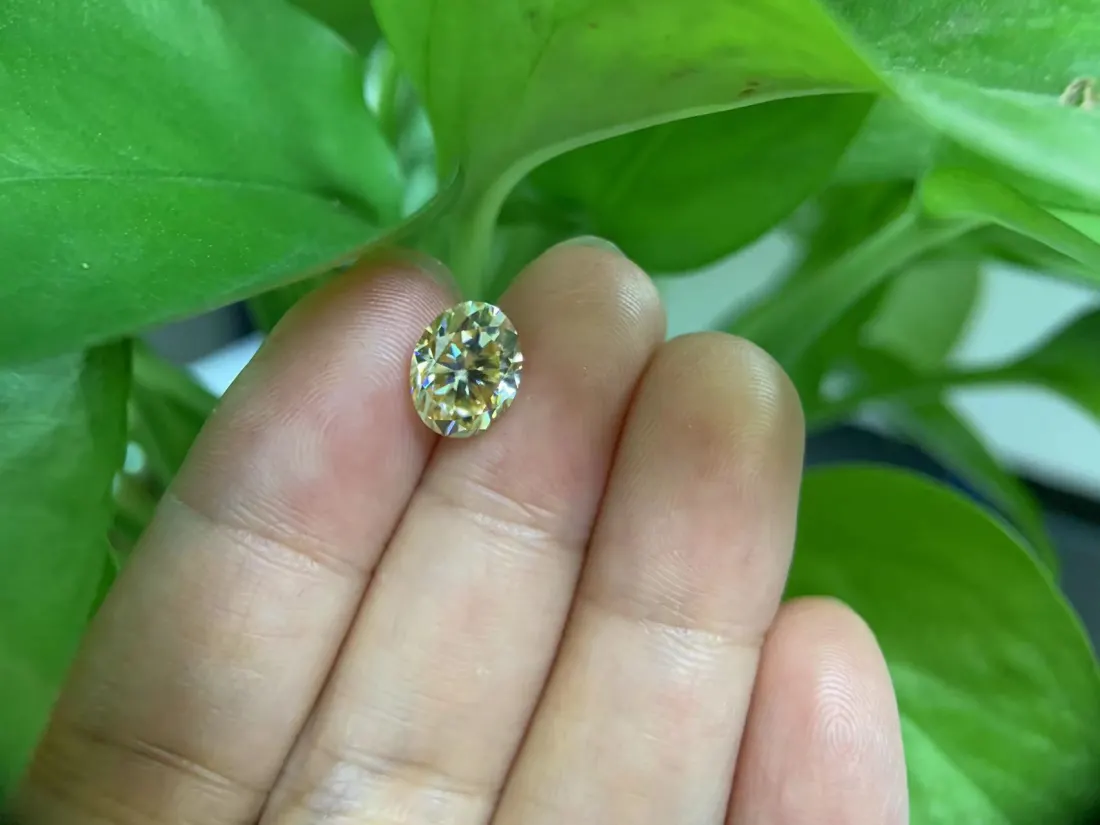
Three price tiers of Buying Guides usually share a silhouette and differ in four places: metal weight, stone grade, setting finish and plating. Once you can name those four, tiering stops being guesswork.
The entry tier: what is actually different
Entry uses lighter metal, a smaller or lower-grade stone, a simpler setting and thinner plating. On Buying Guides, that combination is legitimate if it is disclosed, and a problem if it is sold as core.
The honest entry tier states the weight, the stone grade and the plating. The dishonest one states a look.
Keep the CAD file and the mold receipt. Ownership is a document, not an understanding.
The core tier: the volume workhorse
Core adds metal weight, a better cut and a thicker plate. It is the tier that carries most of the volume and most of the repeat purchase.
On Buying Guides, core is where the QC standard pays for itself: a better plate means fewer claims, and fewer claims mean a lower landed cost.
| Variable | Entry | Core | Premium |
|---|---|---|---|
| Metal weight | Light | Standard | Heavy |
| Stone | Small, lower grade | Good cut | Certified |
| Setting | Simple | Refined | Hand finished |
| Plating | 0.3-0.5 micron | 0.8 micron | 1.0+ micron |
Read the table as a checklist rather than a recommendation. The right row depends on the price band, the wear pattern and the channel you sell into.
Seal the approved sample in a bag with the PO number. It is the only physical record that settles a claim without an argument.
The premium tier: where the cost sits
Premium moves to a higher metal purity, a certified stone and a hand-finished setting. The cost is in the stone and the bench time, not in the marketing.
Ask for the certificate cost as a separate line. Bundling it hides the real premium.
How to tier without confusing the buyer
Give each tier a visible difference in one dimension the customer can see: stone size, metal color, or setting style. Do not tier on invisible variables only.
On Buying Guides, a tier the customer cannot see is a tier the customer will not pay for.
Price moves with three inputs: alloy, stone and plating. A quote that holds for ninety days is a quote that has priced those three honestly.
What to check before the order
Run the five checks below in order. The first two protect the money, the last three protect the launch date.
- Tier on four visible variables.
- State the grade at every tier.
- Keep the certificate cost separate.
- Make the difference visible to the customer.
- Do not sell entry as core.
If a supplier cannot answer three of the five, treat the quote as a starting point rather than a plan. Ask again in writing and keep the answer with the PO.
Frequently Asked Questions
How do I tier Buying Guides without cheapening it?
Change one visible dimension per tier and disclose the rest. A smaller stone at entry is honest; a thinner plate sold as core is not.
Should each tier have its own SKU?
Yes. One SKU per tier keeps the spec, the photos and the claims separate.
Is the premium tier worth it?
When the stone is certified and the setting is hand finished. Those two carry the price, not the label.
How much price gap between tiers?
Roughly 1.5x from entry to core and 1.8x from core to premium for the same silhouette.
Can I use one photo for all tiers?
No. The visible difference is the reason to buy up. Shoot each tier separately.
What is the fastest way to lose money on a first order?
Skip the trial lot and accept an average gram weight. Both hide the problem until rework is at lot scale.
Send the Buying Guides silhouette and price points. We return a three-tier matrix with the four variables and the certificate cost split out. See the full range at Buying Guides and HOLYCOME.
The short version: specify the number, seal the sample, inspect against both. Everything else is negotiation.
Looking for Wholesale Jewelry?
Wuzhou HengliLai Jewelry Co., Ltd. - Professional gemstone and jewelry manufacturer in Wuzhou, China. OEM/ODM services, factory-direct pricing, low MOQ.
Contact on WhatsApp service@holycome.comWholesale Order Terms
As a factory-direct jewelry manufacturer, we quote every order against stone type, metal, setting and finish. Loose stones are priced per carat, finished rings, earrings and bracelets per piece, and custom metal work per gram. Send your stone, metal, size and quantity for a wholesale price list in USD, quoted with FOB, EXW or DDP shipping terms.
MOQ & Pricing
Minimum order quantity (MOQ) starts from 5 pcs per style. Mixed-SKU orders are accepted, and volume discounts apply from 50 pcs; pricing is tiered by quantity and quoted per piece, per carat or per gram.
Lead Time
Ready-stock pieces ship in 2-5 business days. Custom sampling takes 5-10 days; bulk production lead time runs 10-25 days, depending on design, stone size and order quantity, confirmed in your written quote.
Payment Terms
We accept T/T telegraphic bank transfer, PayPal, Alibaba Trade Assurance and Western Union. OEM and private-label orders require a 30% deposit, with the 70% balance paid before shipment.
Shipping
DHL, FedEx and UPS for samples and small orders; air or sea freight for bulk. Worldwide delivery under FOB, EXW or DDP terms, with QC photos shared before dispatch.
