Comparisons: Where Comes From: The Supply Chain Behind the Price
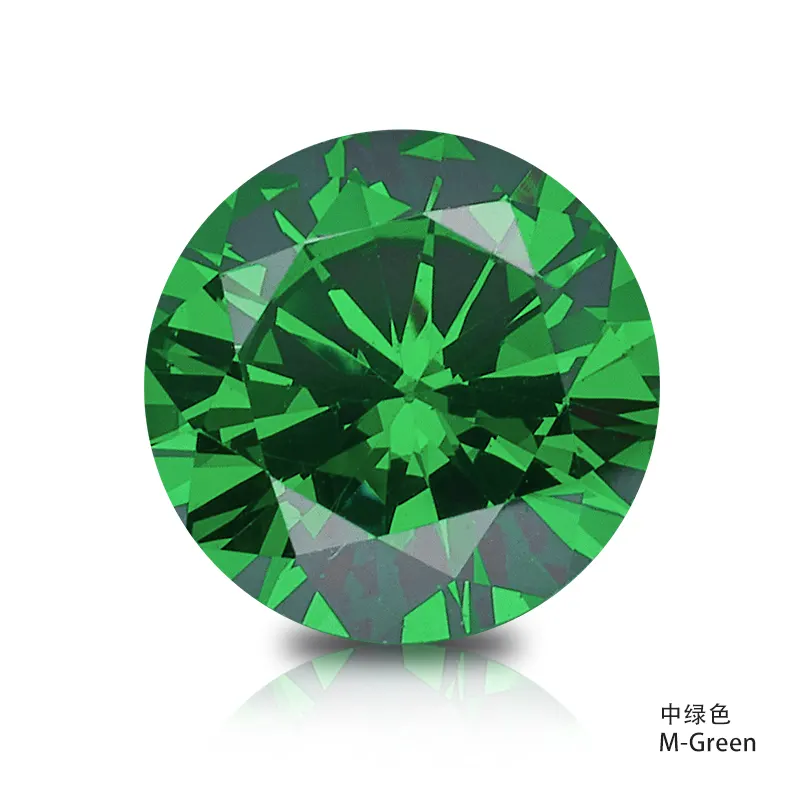
A Comparisons price carries four supply steps: alloy, stone, casting and finishing. Knowing which step a supplier controls explains both the price and the risk.
Step one and two: alloy and stone
Alloy comes from a mill, usually in sheet, grain or tube. Stones come from cutting centers, and the cutting quality is set there, not at the setting bench. On Comparisons, a cheap stone usually means a cheaper cut, not a cheaper rough.
Ask which mill and which cutting source. The answer tells you what can change without notice.
Build the landing date from ship date plus transit plus clearance. Planning from the ship date alone makes every season a week late.
Step three: casting
Casting is either in-house or subcontracted. In-house means control over the alloy mix and the queue; subcontracted means a shared queue and a longer lead time in peak.
On Comparisons, the casting arrangement is the single best predictor of peak-season reliability.
| Step | Who controls | Risk if opaque |
|---|---|---|
| Alloy | Mill | Purity drift |
| Stone | Cutting center | Grade change |
| Casting | Factory or sub | Peak delay |
| Finishing | In-house or shop | Color variation |
| Plating | Plating shop | Thickness drift |
Read the table as a checklist rather than a recommendation. The right row depends on the price band, the wear pattern and the channel you sell into.
Photograph the first article before the batch runs. A shifted seat or a short prong is cheapest to fix at one piece.
Step four: finishing and plating
Plating can be in-house or a plating shop. A plating shop serves many clients and its bath chemistry drifts; that drift is the source of color variation between lots.
Ask for a color sample per lot, and for the bath maintenance record if the volume justifies it.
Reading the chain in a quote
A quote that names the mill, the stone source, the casting arrangement and the plating shop is a quote you can audit. A quote that names none of them is a price with no chain behind it.
On Comparisons, that transparency is worth more than a few percent on the unit price.
The specification is the product. Two pieces built to the same six lines are the same product even when the price differs; two built to different lines are not.
What to check before the order
Run the five checks below in order. The first two protect the money, the last three protect the launch date.
- Ask which mill supplies the alloy.
- Ask where the stones are cut.
- Ask whether casting is in-house.
- Ask for a color sample per lot.
- Audit the chain, not only the price.
If a supplier cannot answer three of the five, treat the quote as a starting point rather than a plan. Ask again in writing and keep the answer with the PO.
Frequently Asked Questions
Why does Comparisons price vary between factories?
Different alloy sources, cutting quality and casting arrangements. The chain explains the price more than the labor rate does.
Does in-house casting matter?
In peak season, yes. It decides whether your order holds its slot.
Why does color drift between lots?
Usually plating bath chemistry. A sample per lot catches it early.
Can I audit a supply chain?
At the level of names: mill, cutting source, casting, plating shop. Four answers make a quote auditable.
What is the biggest hidden risk?
A stone source change without notice. The lot looks similar and grades differently.
What is the fastest way to lose money on a first order?
Skip the trial lot and accept an average gram weight. Both hide the problem until rework is at lot scale.
Send the Comparisons spec. We return the four-step supply chain with the mill, stone source, casting and plating arrangement named. See the full range at Comparisons and HOLYCOME.
None of this is exotic. It is a document, a measurement and a date, repeated until it becomes a process.
Looking for Wholesale Jewelry?
Wuzhou HengliLai Jewelry Co., Ltd. - Professional gemstone and jewelry manufacturer in Wuzhou, China. OEM/ODM services, factory-direct pricing, low MOQ.
Contact on WhatsApp service@holycome.comWholesale Order Terms
As a factory-direct jewelry manufacturer, we quote every order against stone type, metal, setting and finish. Loose stones are priced per carat, finished rings, earrings and bracelets per piece, and custom metal work per gram. Send your stone, metal, size and quantity for a wholesale price list in USD, quoted with FOB, EXW or DDP shipping terms.
MOQ & Pricing
Minimum order quantity (MOQ) starts from 5 pcs per style. Mixed-SKU orders are accepted, and volume discounts apply from 50 pcs; pricing is tiered by quantity and quoted per piece, per carat or per gram.
Lead Time
Ready-stock pieces ship in 2-5 business days. Custom sampling takes 5-10 days; bulk production lead time runs 10-25 days, depending on design, stone size and order quantity, confirmed in your written quote.
Payment Terms
We accept T/T telegraphic bank transfer, PayPal, Alibaba Trade Assurance and Western Union. OEM and private-label orders require a 30% deposit, with the 70% balance paid before shipment.
Shipping
DHL, FedEx and UPS for samples and small orders; air or sea freight for bulk. Worldwide delivery under FOB, EXW or DDP terms, with QC photos shared before dispatch.
