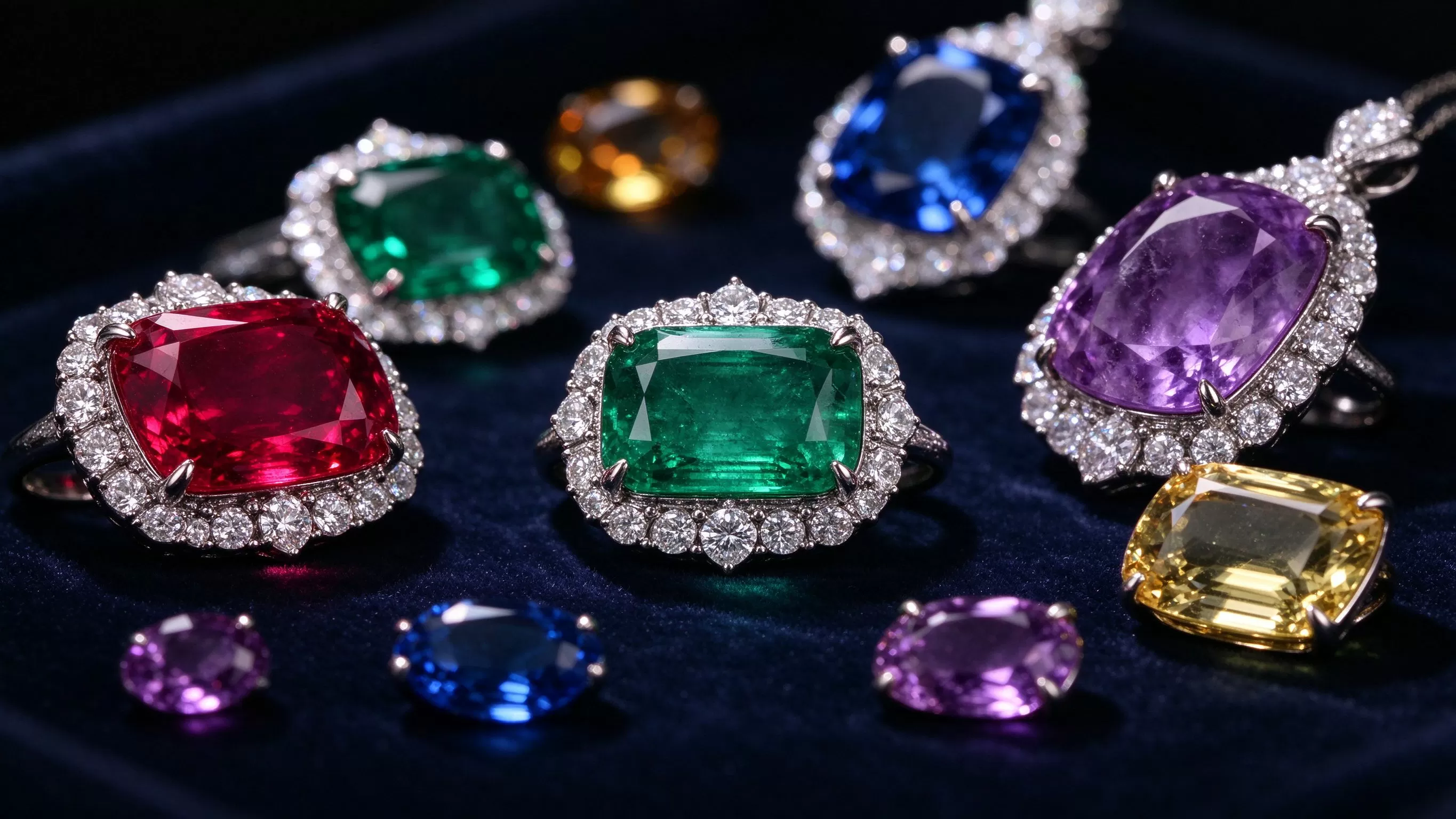
In 2016 a one-carat lab-grown diamond, cut and polished, retailed for around $8,000. By 2024 the same grade of stone, same color, same clarity, traded near $1,000 per carat in polished wholesale, and 2025-2026 rough from Chinese CVD reactors sits near $100-$150 per carat for 1-2 mm rough. That is a roughly 85-90% price collapse in a decade. For B2B buyers, the question is not whether prices will recover in the next cycle, but which part of the supply chain caused the drop and whether it is structural.
Reason 1: reactor scale-up in China
High-pressure high-temperature (HPHT) presses and CVD reactors moved from 5-30 kW units in 2015 to 100-200 kW multi-carat chambers by 2023. A single modern CVD reactor grows 30-80 carats of rough per run in 8-12 days, compared with 1-2 carats per run a decade ago. Capacity in the Henan and Guangxi clusters alone is estimated above 10 million carats annually by 2025, several times global natural diamond production outside Russia.
Reason 2: CVD process maturity
Colorless CVD stone in 2016 needed heavy post-growth annealing and often showed brown tint. By 2023, in-situ nitrogen gettering and tunable growth pressure produced D-F color rough straight from the chamber. Polished yields jumped from 25-30% to 40-50%, which doubled the effective supply from each reactor run.
Reason 3: branded consumer pricing pressure
De Beers launched Lightbox in 2018 at $800 per carat retail, anchoring the consumer price ceiling far below natural. Pandora's 2021 move to lab-grown-only lines, and chain jewelers pushing lab-grown into everyday bridal, removed the scarcity premium. Manufacturers had no leverage to hold price; rough buyers negotiated down each quarter.
Reason 4: demand split
US demand for lab-grown peaked around 2021-2022 and softened as supply flooded market; Chinese domestic demand picked up but at lower price points. The result: inventory built up at cut houses in Surat and New York, and rough auctions cleared at 30-50% of 2021 quotes. For context on how this reshaped sourcing, see our note on lab-grown versus natural sourcing and which labs papered the crop. Technical background follows the lab-grown diamond supply chain entry.
Who wins and who loses at the new price floor
Branded retailers win on margin because loose cost is now low enough to keep 3-4x markups without pricing out consumers. Cutting houses that invested in 100 kW reactors win on volume; small batch cutters with 20 kW presses lose because their per-carat overhead cannot match the floor. Natural diamond producers lose the entry-level bridal buyer under $3,000, but keep the high-jewelry and heirloom segments where provenance still sells. Wholesale buyers reading this should plan around two separate curves: fast-moving 1-2 ct white lab-grown at commodity prices, and slow-moving fancy-color and large-stone lab-grown that still carries specialty premiums. Sourcing mechanics are covered in our B2B sourcing playbook.
Who wins and who loses at the new price floor
Branded retailers win on margin because loose cost is now low enough to keep 3-4x markups without pricing out consumers. Cutting houses that invested in 100 kW reactors win on volume; small batch cutters with 20 kW presses lose because their per-carat overhead cannot match the floor. Natural diamond producers lose the entry-level bridal buyer under $3,000, but keep the high-jewelry and heirloom segments where provenance still sells. Wholesale buyers reading this should plan around two separate curves: fast-moving 1-2 ct white lab-grown at commodity prices, and slow-moving fancy-color and large-stone lab-grown that still carries specialty premiums. Sourcing mechanics are covered in our B2B sourcing playbook.
Who wins and who loses at the new price floor
Branded retailers win on margin because loose cost is now low enough to keep 3-4x markups without pricing out consumers. Cutting houses that invested in 100 kW reactors win on volume; small batch cutters with 20 kW presses lose because their per-carat overhead cannot match the floor. Natural diamond producers lose the entry-level bridal buyer under $3,000, but keep the high-jewelry and heirloom segments where provenance still sells. Wholesale buyers reading this should plan around two separate curves: fast-moving 1-2 ct white lab-grown at commodity prices, and slow-moving fancy-color and large-stone lab-grown that still carries specialty premiums. Sourcing mechanics are covered in our B2B sourcing playbook.
FAQ
Will lab-grown diamond prices recover?
Polished prices are unlikely to return to 2016 levels because reactor capacity is now structural. Specialty grades (fancy colors, large 5+ ct) still command premiums.
Why did Chinese rough prices fall faster than US?
Chinese reactors run at much larger scale with lower energy and labor cost, so their marginal cost sets the global floor for 1-2 ct white rough.
Are loose lab-grown diamonds a resale asset?
Rarely. There is no secondary market at near-retail prices; resale typically recovers 10-30% of purchase.
Which grade of lab-grown holds value best?
IGI-papered D-F VS stones in popular 1.0-1.5 ct round and oval shapes sell fastest; odd sizes and low clarity move slowly.
What it means for buyers
Buy in small, frequent lots tied to actual orders, not speculative stock. Target IGI-papered stones in popular sizes and reorder every 30-45 days. The floor may hold around $100/ct rough for white 1-2 ct, but no one should plan around appreciation.
Wholesale note: gemmanufacturer.com sources current-cycle IGI lab-grown parcels at month-accurate pricing, with MOQ from 10 pieces and 7-day fulfillment for retail reorders.