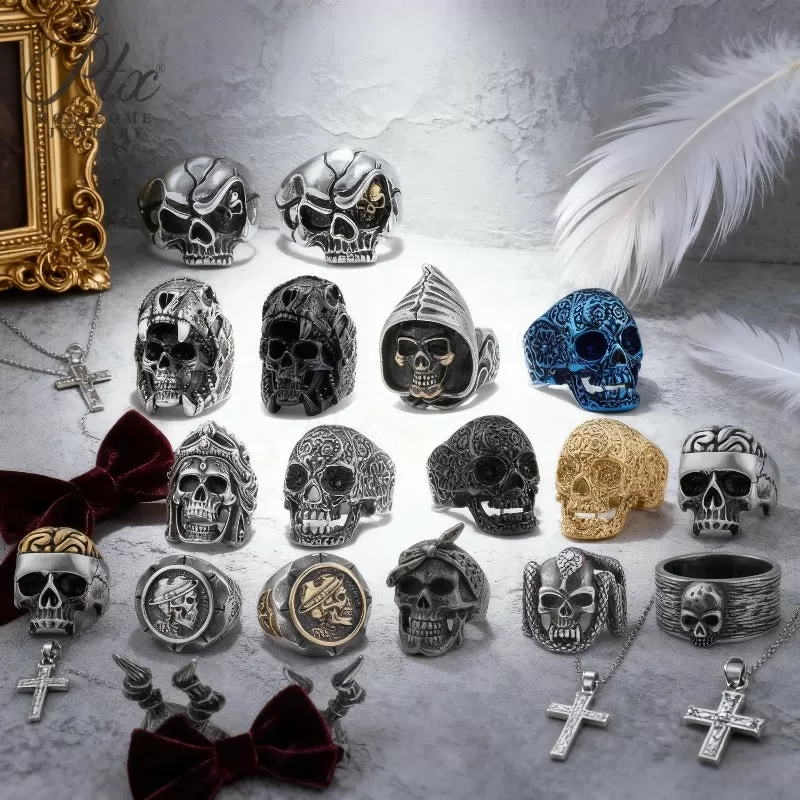
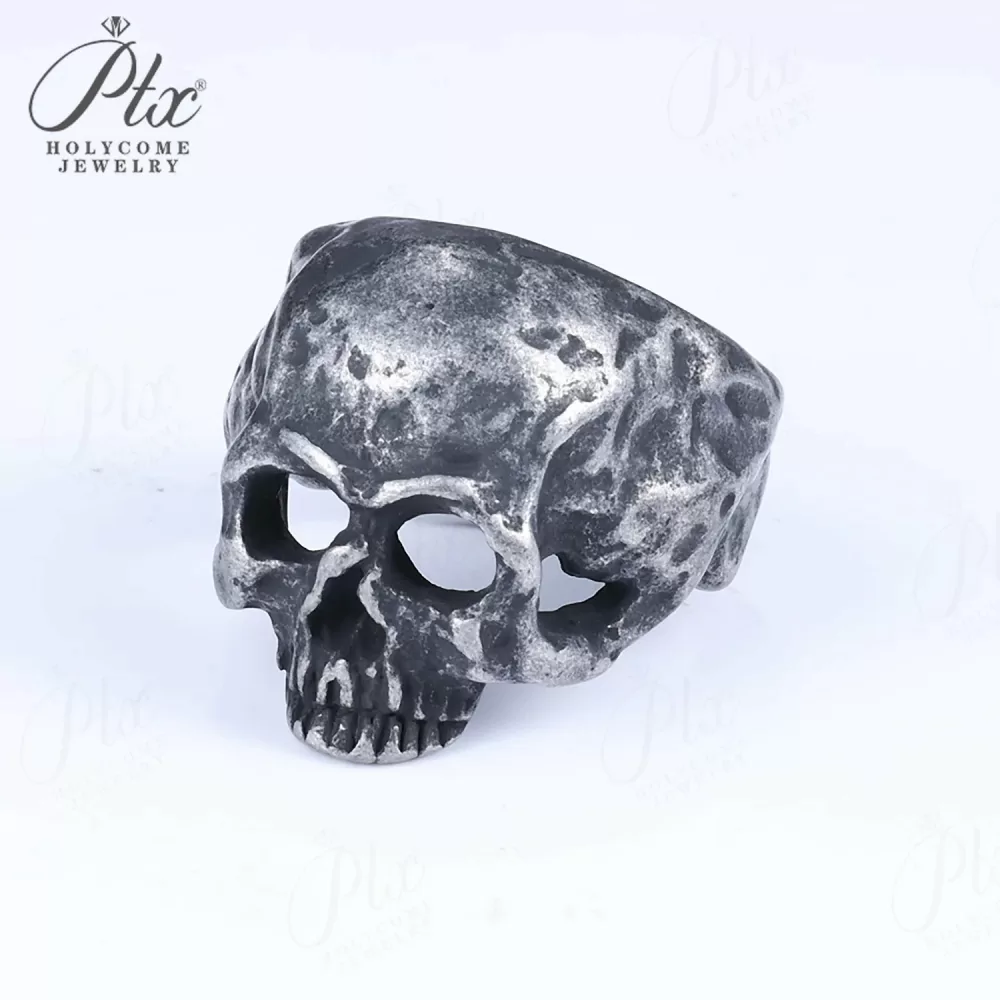
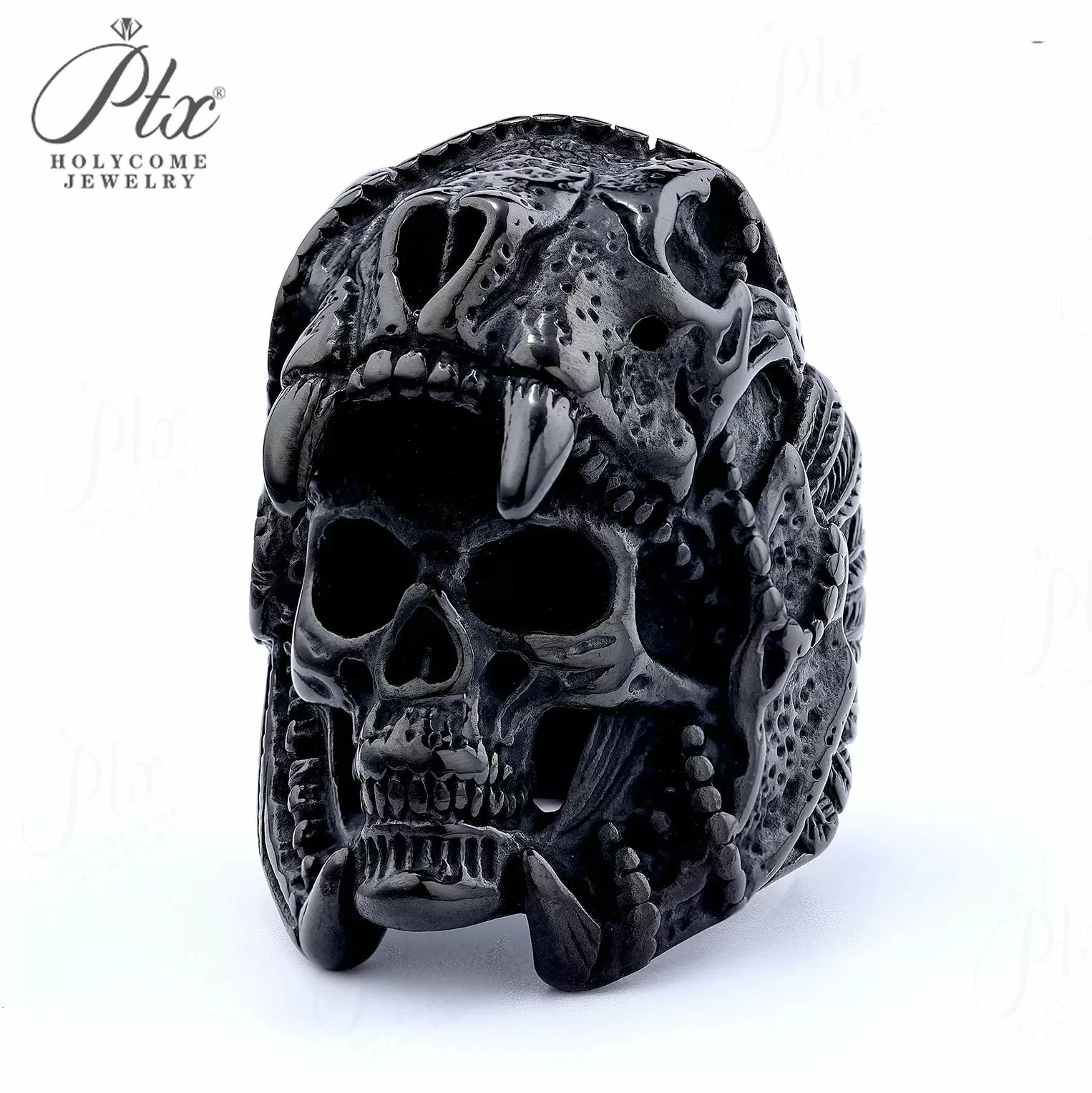
A distributor building a men's everyday-wear line had to choose between stainless steel and titanium for a waterproof watch strap and a set of signet rings. The decision was not about which metal is "better" in absolute terms. It was about weight, scratch behavior, machining, and the price the customer expects to pay. Here is the side-by-side a buyer needs before committing a run of 500 units.
Hardness, scratch behavior, and feel
Stainless steel used in jewelry is typically 304 or 316L austenitic stainless, with a hardness around 5.5-6 on the Mohs-like scale and a density of about 7.9 g/cm3. It carries weight, polishes to a bright luster, and scratches visibly but can be buffed out by a jeweler. Titanium is far lighter at about 4.5 g/cm3 and harder on the surface after treatment; a titanium ring feels almost negligible on the finger. The tradeoff is that titanium is difficult to resize and nearly impossible to solder, whereas stainless steel can be welded and re-finished. The Wikipedia entry on titanium covers the alloy grades and mechanical properties that matter for jewelry.
For retail, the feel sells. A customer trying on two identical plain bands will often pick the steel one for "substantial" and the titanium one for "barely there." Merchandise them against each other, not as substitutes. A steel band shows wear over years and develops a patina of fine scratches; a titanium band stays cleaner-looking but hides dents that cannot be polished out. Compare the allergy angle in hypoallergenic metals for sensitive skin.
Corrosion, nickel, and compliance
Both metals resist tarnish far better than sterling silver. Stainless steel may contain nickel, which matters for the EU: the REACH nickel-release limit requires a measured release below 0.5 ug/cm2 per week for posts and 0.2 ug/cm2 for items inserted into pierced skin. Titanium is inherently nickel-free and corrosion-resistant, which is why medical hardware uses it. If your customer base is in the EU, document the nickel release of your steel supplier or default to titanium and solid silver. The European Chemicals Agency (ECHA) publishes the current REACH restrictions a compliant catalog must meet.
For the everyday-care side, steel and titanium both avoid the silver-tarnish problem described in how to clean silver without accelerating tarnish. That is the real reason buyers shift budget toward stainless and titanium basics: the customer never sends the piece back blackened.
Cost, machining, and resizing reality
Raw titanium is more expensive per kilogram, but because it is lighter, a single band uses less material. Stainless steel is cheaper to machine and polish in high volume, and it accepts black IP plating and PVD finishes reliably. Titanium can be anodized to a range of colors but cannot be stamped with fine detail the way steel can. The resizing point is non-negotiable for a bridal or promise line: a titanium ring that comes back too small usually cannot be expanded, so size accuracy at order time is critical. Steel bands can be opened or closed by half a size in most shops. See how sizing tolerances work in men's ring width and finger-shape sizing.
How to merchandise the two metals side by side
Most retail mistakes happen when a buyer treats steel and titanium as interchangeable. They are not. Put the steel band on a scale at the counter and the titanium band next to it; customers should feel the difference with their own fingers. Price them in adjacent tiers so a shopper steps up from steel to titanium for a gift, rather than comparing them to silver or gold. Titanium's anodized colors and steel's black PVD finish should be listed as separate SKUs, because the finishing process and its durability are different. Tell staff to mention the nickel point to any customer who mentions a metal allergy; that answer closes more sales than a finish chart does.
FAQ: Stainless steel vs titanium jewelry
Which metal is lighter to wear?
Titanium is roughly 40% lighter than stainless steel because of its lower density, making it the default for customers who dislike heavy rings.
Can a titanium ring be resized?
Rarely. Titanium is hard and difficult to solder, so most suppliers exchange the ring rather than resize it. Order the correct finger size up front.
Does stainless steel jewelry contain nickel?
Common 304 stainless does. For pierced jewelry and EU sales, ask the supplier for nickel-release test data that meets REACH limits, or switch to titanium.
Which is better for a waterproof everyday band?
Both resist corrosion. Choose steel if you want weight and resizing flexibility; choose titanium if you want lightness and guaranteed nickel-free wear.
HOLYCOME manufactures stainless steel and titanium everyday bands in runs sized for retail. Send us your target width, finish (brushed, polished, black IP), and quantities, and we will quote a compliant lot with nickel-release documentation for EU shipments. See our steel vs silver wear comparison or start a quote today.
Frequently Asked Questions
How do I verify a factory before placing a bulk order?
Request a production video, business license, export records and a paid sample run. A factory that accepts a 50-piece test order is usually a real manufacturer.
What payment terms do you offer?
30% T/T deposit with the balance against the bill of lading. This protects both sides on first orders and can move to net terms after a track record.
What is your normal reject rate?
3–5% under 10x loupe inspection for cast and set pieces. Defective units are replaced free in the next shipment.
Where is the factory located?
Wuzhou, Guangxi, China—the core lab-grown and moissanite manufacturing cluster. Shipments go via Guangzhou or Shenzhen ports.