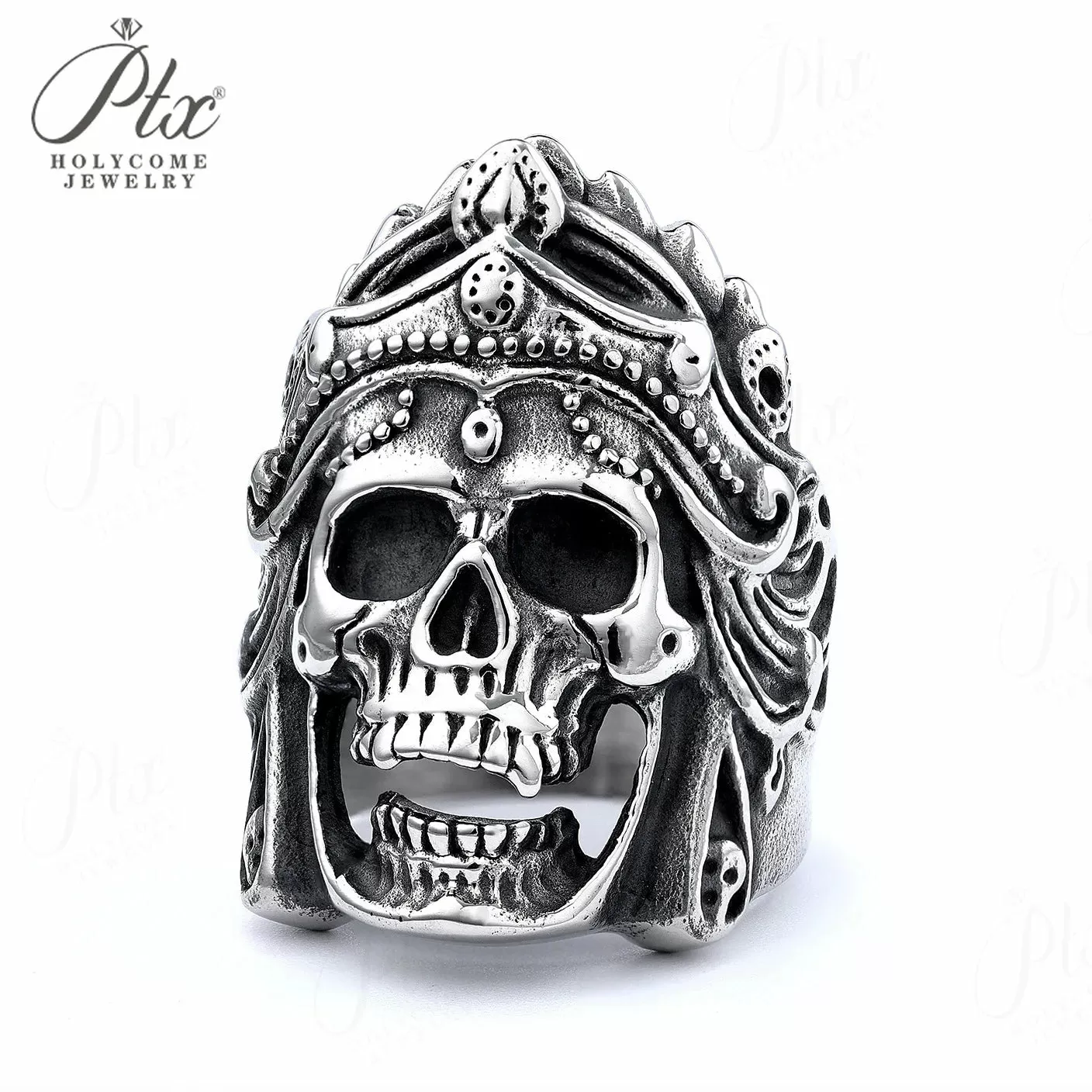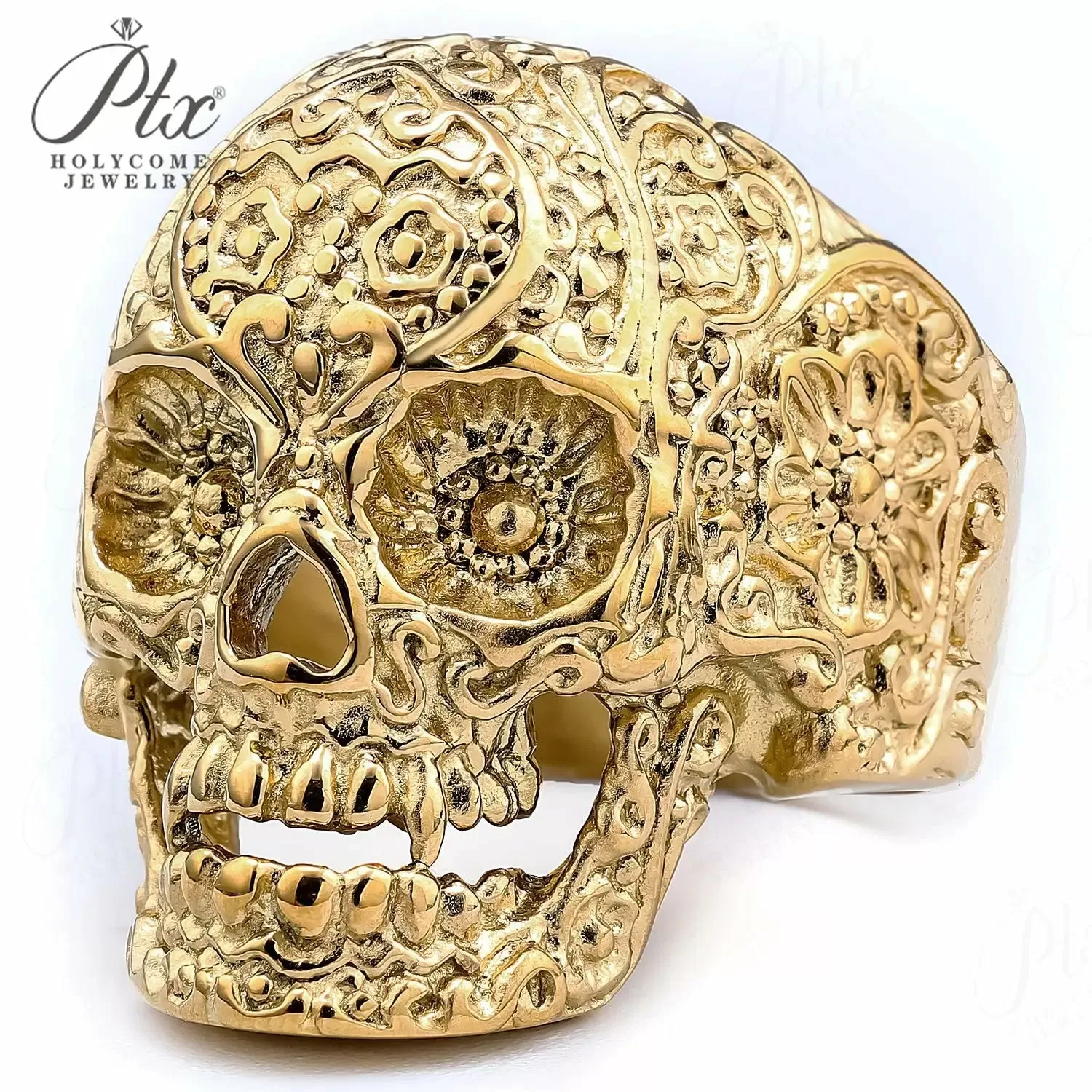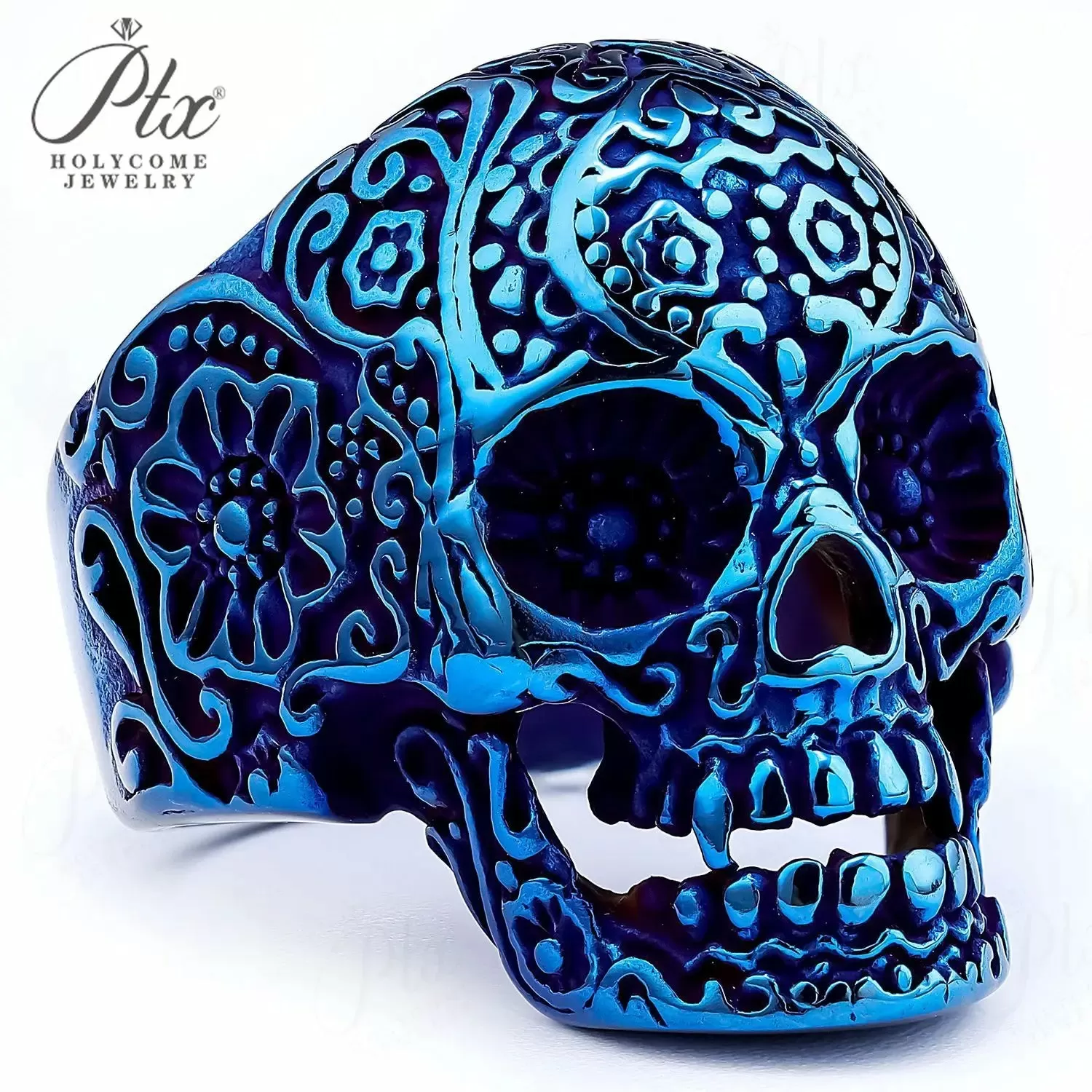
Across the 2026 selling season, buyers at gift shows kept asking the same question: is the quiet luxury minimalism of the last few years finally giving way to something bigger? The data on the floor said yes. Thin bands and dainty layers were still selling, but the growth was in chunky cuffs, stacked wide rings, and colored statement pieces that photograph from across a room. This trend report sums up what moved in 2026, which sizes sold, and how buyers plan a bold capsule without overstocking.
What actually sold in 2026
The move was away from invisible you-are-wearing-it pieces and toward pieces a customer notices. Wide cuffs 12mm and up, two-finger rings, layered chain stacks, and colored enamel or gemstone statement pieces all outpaced thin solitaires in repeat orders. This is not a reversal of minimalism so much as a coexistence: the same customer who owns three thin bands also bought one chunky cuff to anchor an outfit. We covered the preceding wave in minimalist jewelry retail trends to stock and the styling layer in layered necklace styling by length. The Wikipedia overview of jewelry notes how statement pieces have cycled back through fashion history, which helps buyers frame the trend to customers.
Which sizes, weights, and colors moved
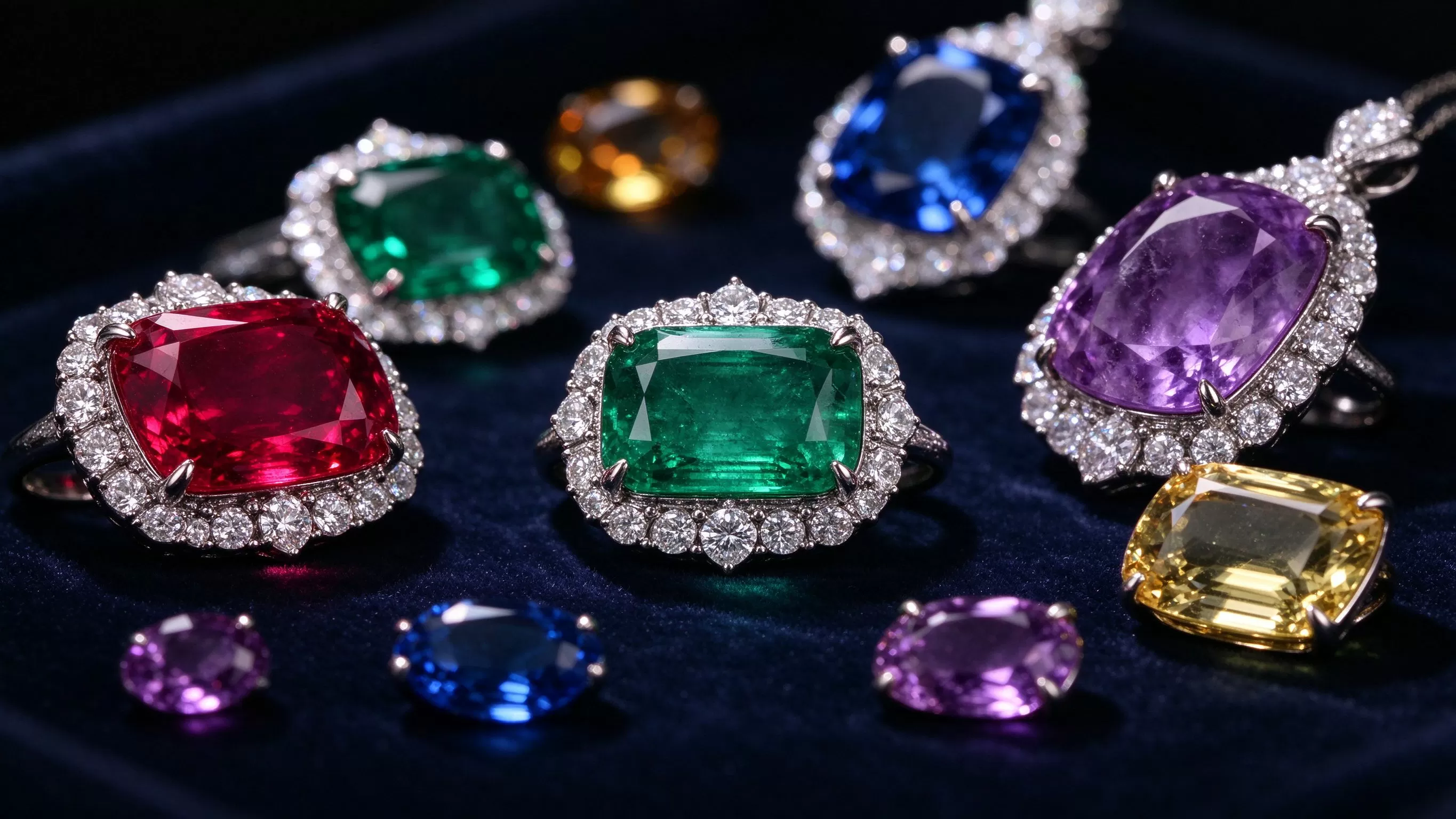
Bold does not mean heavy for heavy sake. The cuffs that sold were open-back and adjustable, so one size fit most wrists and the store did not carry six sizes. Wide rings moved in comfort-fit shanks so a 10mm band still slid on. On color, matte gold and mixed-metal stacking outsold bright polished gold, and emerald-green, cobalt-blue, and ruby-red statement stones moved faster than plain white. The practical stocking rule: buy one adjustable statement piece per color family rather than a deep size run, because bold jewelry sells on the visual, not on the fit precision. Length plays the same role for chains, as in the 16 to 24 inch necklace length guide.
How to plan a bold capsule without overstocking
The risk with trend buying is ordering too much of one look. The safer plan is a one-statement-per-outfit mix: a few hero cuffs and rings as display anchors, surrounded by safer repeat sellers. Limit bold pieces to 15 to 20 percent of the order so a trend shift does not leave dead stock. Vendors who carry low minimums and fast reorders let buyers test the trend before committing, which is the approach we describe in first-time order MOQ and logistics. Pair the bold pieces with a vintage resale story, because customers now mix new statement pieces with vintage finds.
From a buying calendar point of view, bold pieces work best as seasonal capsules rather than permanent lines. Order a small bold edit for spring and for the holiday gifting window, then let the display rotate rather than holding a full year of one statement look. The risk with trend inventory is that it ages faster than a classic band, because next season customer photographs will move on to a new silhouette. Keep reorders fast and minimums low, and treat unsold bold pieces as the first candidates for a mid-season sale or a gift-with-purchase bundle rather than carrying them into a second year. That discipline keeps the trend profitable instead of letting it become dead stock that ties up shelf space and cash flow. Ask suppliers for low minimums on bold pieces specifically, so you can test two or three colors and shapes before committing to a full run, and watch which ones customers photograph and share. Social proof from a single bold piece often signals the next repeat order better than any forecast sheet, so treat early sales data as your reorder guide rather than guessing which color will scale with a large upfront order before the market has had a real chance to vote with actual purchases.
FAQ: The bold jewelry trend report
Is minimalism dead?
No. Dainty pieces still sell, but growth has shifted to statement pieces. The same customer often owns both, so stock a mix rather than switching entirely.
What bold pieces should I buy first?
Adjustable open cuffs and wide comfort-fit rings, because they fit most customers and read bold on display without needing deep size runs.
Which colors moved fastest?
Matte and mixed-metal finishes led, with emerald green, cobalt blue, and ruby red statement stones outpacing plain white.
How much of my order should be trend pieces?
Keep bold trend pieces to roughly 15 to 20 percent of the order, with low minimums and fast reorders, so a shift in taste does not leave dead stock.
Planning your next bold capsule? HOLYCOME supplies adjustable cuffs, wide comfort-fit rings, and colored statement pieces in low-minimum, fast-reorder lots for retail buyers. Read our first-order checklist or request a quote for your trend program.
Frequently Asked Questions
How do I verify a factory before placing a bulk order?
Request a production video, business license, export records and a paid sample run. A factory that accepts a 50-piece test order is usually a real manufacturer.
What payment terms do you offer?
30% T/T deposit with the balance against the bill of lading. This protects both sides on first orders and can move to net terms after a track record.
What is your normal reject rate?
3–5% under 10x loupe inspection for cast and set pieces. Defective units are replaced free in the next shipment.
Where is the factory located?
Wuzhou, Guangxi, China—the core lab-grown and moissanite manufacturing cluster. Shipments go via Guangzhou or Shenzhen ports.