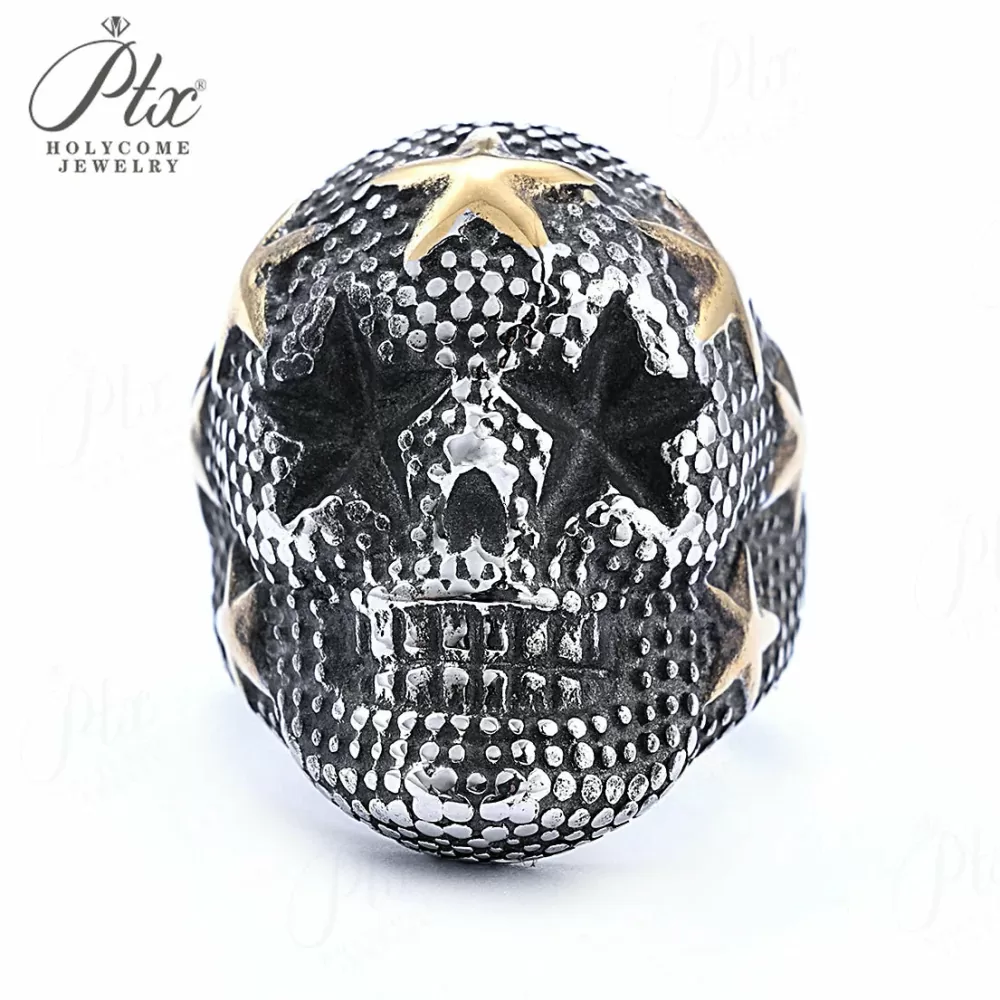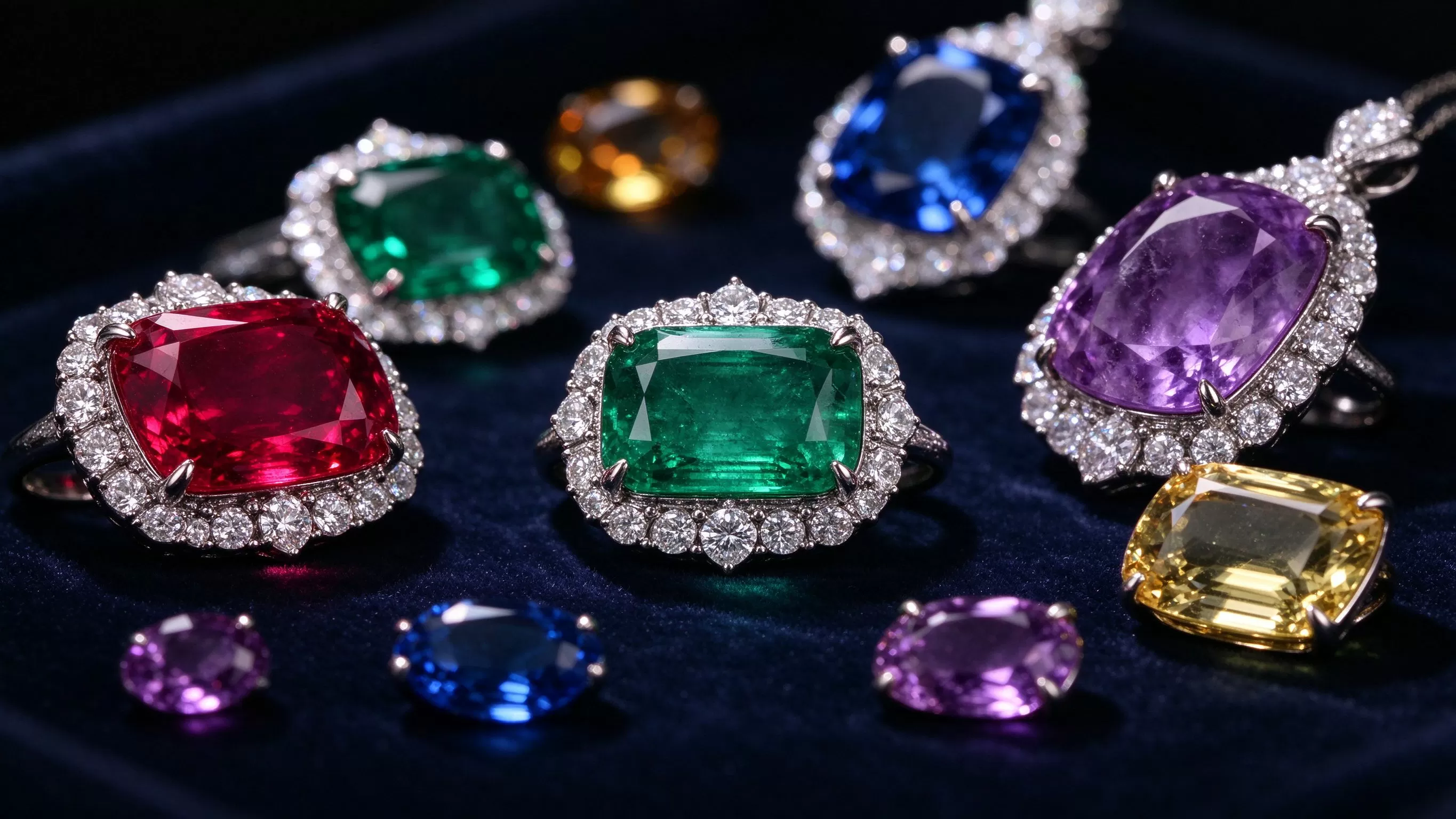
A buyer ordered 2,000 units for a spring launch that got delayed, and the stock sat in cardboard boxes on a warehouse shelf for nine months. When the cartons came back open, the silver pieces were spotted black, the freshwater pearl strands had lost their luster, and a batch of rings had bent prongs from being jumbled together. None of the damage was visible on the way in. The loss was not theft or breakage; it was slow, predictable degradation from how the inventory was stored. This guide is for wholesalers and boutique owners who need a storage SOP that keeps stock saleable season after season, not a jewelry-box routine for personal pieces.
The enemies of long-term storage
Humidity and sulfur. Sterling silver tarnishes when sulfur in the air reacts with the metal. Cardboard, newsprint, rubber bands and certain woods release sulfur and acids and accelerate it. Storing silver in a cardboard box on a concrete floor, which breathes moisture, is the fastest route to black spots. The chemistry behind this is covered in the sterling silver reference on tarnish and maintenance.
Physical abrasion. Loose jewelry rattles against itself. A diamond scratches a gold band; a pearl surface gets micro-scratched by a prong. Pieces stored jumbled in a bin come back with dulled polish and chipped stones, which is the prong-bending problem from the opening example.
Dryness and extremes for organic gems. Pearls, amber and coral can crack or yellow in very dry, heated storage. A warehouse that swings between hot summer and cold winter is hard on them. Temperature and humidity should be kept steady, roughly 18 to 22 degrees Celsius and around 40 to 50 percent relative humidity, and away from direct sunlight, which fades colored stones and pearls.
Build a storage SOP for inventory
First, store each SKU individually: a sealed poly bag or a divided tray, never loose. Use anti-tarnish strips or interleaved anti-tarnish tissue for silver. Second, keep the stock off the concrete floor on shelving, and use breathable but acid-free packaging rather than plain newsprint. Third, label each carton with the receipt date and a "stock take" calendar entry, so nothing sits un-inspected for a year. Fourth, segregate pearls and organic gems into a climate-stable zone rather than the general metal rack. Our related guides cover the day-to-day side: avoiding scratches and tarnish, cleaning silver without accelerating tarnish, and how often to professionally clean inventory.
Condition-check cadence before re-listing
Before any box goes back into active sales, run a short condition check: inspect each piece under a loupe for tarnish spots, loose stones and bent prongs; clean silver lightly; restring or recondition pearl strands that feel stiff. A 30-second check per piece catches the problems that would otherwise become customer returns. Treat ultrasonic and steam cleaning as a deliberate choice rather than a default, because not every stone survives it; our note on ultrasonic and steam safety lists which stones to keep out of the tank.
Schedule a twice-yearly stock condition review
Storage is not a set-and-forget step. Run a documented condition review every six months, and again immediately after any warehouse move or temperature swing. At each review, pull a ten percent sample across carton years, check for tarnish on silver, stiffness on pearl strands, and oxidation on plating, and refresh the anti-tarnish strips. Cartons that have sat longest get checked first, because they carry the highest degradation risk. Log the results on the same goods-in sheet you used when the stock arrived, so you have a timeline of each SKU. This rhythm catches the slow damage early, while a light clean fixes it, rather than at the moment a customer opens the box.
Document the warehouse conditions on the carton itself: the month it went into storage, the shelf location, and the last date it was checked. This takes seconds when you pack the box and removes guesswork the next season, when a different member of staff is the one reopening it. Combined with anti-tarnish packaging and a six-month review, this discipline keeps inventory saleable instead of writing off a delayed launch as a total loss.
Frequently asked questions
How long can jewelry sit in storage before it is damaged?
Sealed, anti-tarnish, shelved and climate-stable stock can sit for a year or more in saleable condition. Cardboard on a concrete floor starts to show tarnish within weeks.
Should I wrap silver in paper to stop tarnish?
Use anti-tarnish tissue or strips, not plain newsprint, which releases acids and sulfur and makes tarnish worse.
Do pearls need special storage?
Yes. Keep pearls out of heat and dry airflow, on silk, and away from other stones that scratch the surface. Re-stringing every few years is standard.
How do I check stored stock before selling it?
Loupe every piece for tarnish, loose stones and bent prongs; clean silver lightly; recondition pearls. Budget a 30-second inspection per piece before re-listing.
HOLYCOME packs wholesale orders in anti-tarnish, SKU-separated packaging and ships with a storage checklist. Contact us for long-hold inventory packing options and lead times.
Frequently Asked Questions
How do I verify a factory before a bulk order?
Request a production video, business licence, export records and a paid sample run.
What payment terms do you offer?
30% T/T deposit with the balance against the bill of lading.
What is your normal reject rate?
3 to 5% under 10x loupe inspection; defective units are replaced free in the next shipment.
Where is the factory?
Wuzhou, Guangxi, China, with shipments via Guangzhou or Shenzhen.