Buying Guides Wholesale: metal & finish
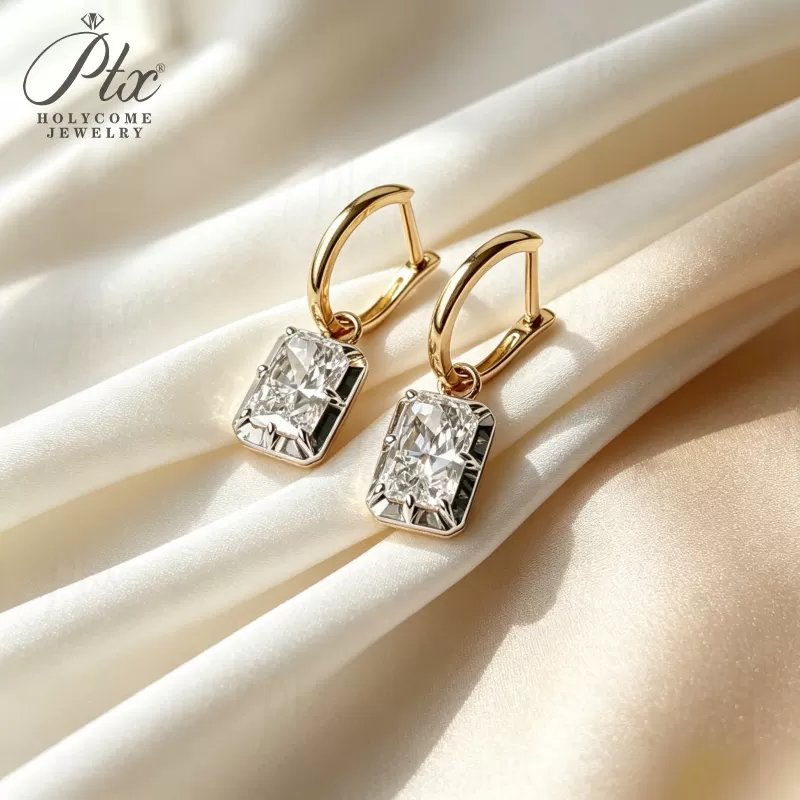
Why Metal Type and Finish Disclosure Belongs at the Top of Your Buying Guides
For wholesale jewelry buyers in the United States, metal type and finish disclosure is the single most important line item to verify before placing an order. When you review supplier Buying Guides or product sheets, the metal spec determines your landed cost, your resale positioning, your legal exposure under FTC Jewelry Guides, and the returns you will or will not receive from retail customers.
A ring described vaguely as "gold" could be 10K solid gold, gold vermeil over 925 sterling silver, or gold plating over brass — three products with entirely different price points and durability profiles. This guide walks through the practical decisions a wholesale buyer faces on this angle, with concrete details you can verify before you commit to a purchase order.
The Four Metal Categories Every Buyer Must Understand
Suppliers on the wholesale market work with a small set of base metals and finishing methods. Learn to read them precisely, and ask for each one by name rather than accepting shorthand.
925 Sterling Silver
Sterling silver is an alloy of 92.5 percent silver and 7.5 percent other metals, usually copper. It is the most common base for moissanite jewelry at accessible price points. Verify that the supplier stamps items with a 925 hallmark and can provide material declarations on request. Sterling silver tarnishes over time, so ask whether pieces receive an anti-tarnish coating or rhodium plating — that finishing step affects care instructions you pass on to retail customers.
10K, 14K, and 18K Solid Gold
Solid gold is priced per gram and quoted with daily metal rate adjustments. Karat weight drives both cost and color depth: 10K contains 41.7 percent gold, 14K contains 58.3 percent, and 18K contains 75 percent. For the US market, 14K is the workhorse karat for moissanite and gemstone pieces because it balances durability with gold content. Insist that invoices and product listings state the karat numerically, and confirm that each piece carries the appropriate karat stamp.
Solid gold items typically support engraving and resizing, which matters for retail programs.
Gold Vermeil
Gold vermeil is a specific product: a thick gold layer over a 925 sterling silver base. In the United States, FTC guidance requires the gold layer on vermeil to meet a minimum thickness and fineness standard. Vermeil gives you the look and heft of fine jewelry at a lower price than solid gold, and it is a legitimate category — as long as it is labeled as vermeil and never as solid gold.
If a supplier's catalog blurs vermeil into "gold," that is a disclosure failure you should treat as a red flag.
Gold Plated over Brass or Other Base Metal
Gold plated pieces use a thin electroplated gold layer over a base metal such as brass. Plating thickness varies widely between factories, and the term "gold plated" alone does not tell you how thick the layer is or what sits underneath. Ask the supplier for the plating thickness in microns and the base metal composition. Plated goods occupy the fashion jewelry price tier, and buyers should present them to retail customers as fashion pieces rather than fine jewelry.
Reading a Supplier Spec Sheet Line by Line
A disciplined buyer converts every vague material description into a specific question. Use this comparison to standardize what a compliant spec line should contain.
Each row below shows what a vague catalog phrase hides and what a properly disclosed spec sheet states instead.
| Catalog Phrase | What It May Hide | Compliant Disclosure |
|---|---|---|
| "Gold ring" | Plating over brass | 14K solid gold, karat stamped |
| "Gold vermeil style" | Thin plating, not vermeil | Gold vermeil over 925 silver |
| "Silver tone" | Non-silver alloy | 925 sterling silver, stamped |
| "Diamond alternative" | Unclear stone origin | Lab-created moissanite, GRA or IGI paper |
After you receive the corrected spec sheet, file it with the purchase order. If a shipment arrives and the metal does not match the documented spec, that document becomes the basis for your claim under the supplier's QC terms.
Moissanite Disclosure: Stone Language That Matches Metal Language
Metal disclosure and stone disclosure follow the same principle: name the product what it is. Moissanite is a lab-created diamond alternative with its own optical properties, not a natural or real diamond. Reputable suppliers provide grading paperwork for larger stones, either a GRA certificate or an IGI report depending on the item and carat weight. Loose stones are sold by the carat, so confirm the carat weight, dimensions, and color grade on the paper before you price a setting program.
A buyer who specifies "1 carat moissanite, GRA certified, VVS1-equivalent clarity on the grading paper" in writing has eliminated most downstream disputes before production begins.
How Finish Choices Change Your Landed Cost and Margin
Metal type is a cost decision, but finish is a durability decision, and both flow directly into your margin model. Rhodium plating on sterling silver adds a small per-piece cost and reduces tarnish complaints. Thicker gold plating raises unit cost but extends wear life for fashion lines. Solid gold carries metal-rate risk: because gold is quoted per gram at prevailing rates, ask the supplier whether the quote holds for a fixed window or floats with the market.
Build a small buffer into your retail pricing to absorb rate movement between quotation and production.
Sampling Before Bulk: What to Test
Sampling takes 7 to 10 days, and bulk production runs 15 to 25 days after approval. Use the sample stage to verify exactly the attributes in this guide: weigh the piece, check the stamp, test the plating with a jeweler's loupe and basic wear trials, and match the stone paperwork to the item. Pay for samples through PayPal, which keeps the transaction simple for both sides.
Approve the sample only after the physical piece matches the written spec — that approved sample becomes the reference standard for pre-ship inspection.
QC Stages That Catch Metal Mismatches
A three-stage QC process protects metal and finish accuracy. Incoming inspection verifies raw materials and findings match the bill of materials. In-process checks catch plating bath and assembly deviations mid-run. The pre-ship AQL inspection samples finished goods against the approved reference sample and documented spec. Ask which QC reports you receive at each stage, and request photos of the stamp and plating from the pre-ship lot for first-time orders.
Pricing, Payment, and Delivery Terms to Confirm
Wholesale pricing is quoted per piece for finished jewelry and per carat for loose stones. Standard payment terms are T/T with a 30 percent deposit and the 70 percent balance before shipment; sample orders run through PayPal. Delivery to the United States ships DDP and takes 5 to 8 days, meaning duties are handled before the goods reach you — confirm that the DDP quote applies to your specific state and shipment size.
Custom work carries a 30-piece minimum per style, while stock styles can be ordered from 1 piece, which lets you test a new finish or metal tier with minimal commitment.
Building Disclosure Into Your Own Retail Listings
Wholesale disclosure does not end at your receiving dock. The FTC Jewelry Guides expect retail listings to state the metal type accurately — karat for solid gold, vermeil where applicable, sterling silver with the 925 mark, and plated for plated goods. Carry the supplier spec language directly into your product pages, and keep the GRA or IGI paper references attached to the applicable items. Buyers who maintain this chain of documentation see fewer returns and fewer marketplace compliance notices.
Your internal Buying Guides for staff should include a short checklist: metal type named, karat or fineness stated, base metal for plated items identified, stone type and paper reference listed, and plating thickness noted where relevant.
Order Terms for Wholesale Buyers
MOQ is 1 piece for stock styles and 30 pieces for custom work, and loose stones are sold by the carat. Sampling takes 7 to 10 days, and bulk production runs 15 to 25 days after the sample is approved. Pricing is quoted per piece or per carat depending on the item. Payment is T/T with a 30% deposit and the 70% balance before shipment, and PayPal is accepted for sample orders.
Frequently Asked Questions
How do I verify a piece is solid gold rather than vermeil or plated?
Check for a karat stamp (10K, 14K, or 18K), request a material declaration from the supplier, and weigh the piece — solid gold is substantially heavier than plated brass at the same size. For large orders, an independent assay of a sample piece is a reasonable safeguard before bulk production begins.
What paperwork should come with moissanite stones?
Graded stones arrive with either a GRA or an IGI paper depending on the item. Match the report number to the stone or the item it is set in, and keep copies with your purchase records. Loose stones are invoiced per carat, so the paper also documents the weight you are paying for.
Can I order one sample piece of a stock style?
Yes. Stock styles have a minimum order of 1 piece, so you can evaluate metal type, finish, and stone quality at small volume. Custom work requires a 30-piece minimum per style, and samples for custom projects are produced and approved before bulk production starts.
How long does the full order cycle take?
Sampling takes 7 to 10 days, and bulk production takes 15 to 25 days after you approve the sample. DDP delivery to the United States adds 5 to 8 days. Plan your retail calendar around that combined timeline, and build in a buffer for gold rate confirmation on solid gold orders.
What payment terms should I expect?
Bulk orders run on T/T with a 30 percent deposit and the 70 percent balance due before shipment. Sample orders are paid through PayPal. Both structures are standard for US wholesale buyers working with overseas manufacturers.
Start Your Metal-Specified Order Today
Clear metal type and finish disclosure starts with a supplier who documents every spec in writing. Browse the current catalog of sterling silver, solid gold, vermeil, and plated styles on our product catalog, read more about our three-stage QC and production process on the about our factory page, and send your spec sheet or custom project details through the contact our sales team form to receive pricing per piece or per carat with sample and bulk timelines included.
Sources: Grading references: GIA gem education and GIA laboratory information.
Frequently Asked Questions
How do I verify a piece is solid gold rather than vermeil or plated?
What paperwork should come with moissanite stones?
Can I order one sample piece of a stock style?
How long does the full order cycle take?
What payment terms should I expect?
Looking for Wholesale Jewelry?
Wuzhou HengliLai Jewelry Co., Ltd. - Professional gemstone and jewelry manufacturer in Wuzhou, China. OEM/ODM services, factory-direct pricing, low MOQ.
Contact on WhatsApp service@holycome.comWholesale Order Terms
As a factory-direct jewelry manufacturer, we quote every order against stone type, metal, setting and finish. Loose stones are priced per carat, finished rings, earrings and bracelets per piece, and custom metal work per gram. Send your stone, metal, size and quantity for a wholesale price list in USD, quoted with FOB, EXW or DDP shipping terms.
MOQ & Pricing
Minimum order quantity (MOQ) starts from 5 pcs per style. Mixed-SKU orders are accepted, and volume discounts apply from 50 pcs; pricing is tiered by quantity and quoted per piece, per carat or per gram.
Lead Time
Ready-stock pieces ship in 2-5 business days. Custom sampling takes 5-10 days; bulk production lead time runs 10-25 days, depending on design, stone size and order quantity, confirmed in your written quote.
Payment Terms
We accept T/T telegraphic bank transfer, PayPal, Alibaba Trade Assurance and Western Union. OEM and private-label orders require a 30% deposit, with the 70% balance paid before shipment.
Shipping
DHL, FedEx and UPS for samples and small orders; air or sea freight for bulk. Worldwide delivery under FOB, EXW or DDP terms, with QC photos shared before dispatch.
