Gemstone Knowledge Wholesale: style buying
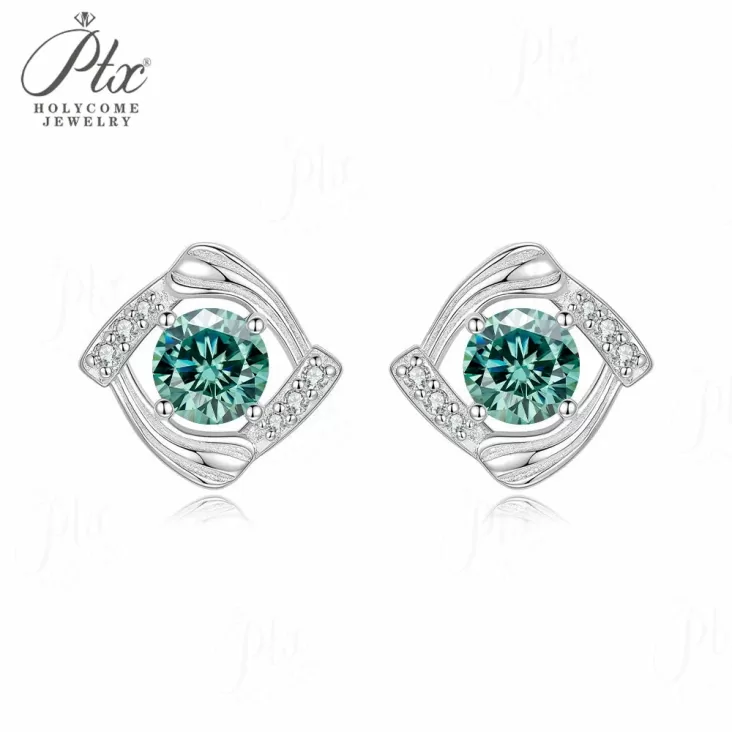
Why Gemstone Knowledge Drives Smarter Trend Buying for Resale
Gemstone Knowledge is what separates a resale assortment that sells through from one that sits in storage. Wholesale buyers who understand stone types, grading paperwork, metal compatibility, and trend timing can commit capital early in a demand cycle, price their retail markup accurately, and reorder before a style saturates.
This article walks through the practical decisions a US resale buyer faces on the trends and style buying angle: how to read the trend cycle, which stones suit which price tiers, how MOQs and lead times shape your calendar, and what paperwork and payment terms to expect from a serious supplier.
Reading the Trend Cycle Before You Commit Capital
Trend buying is timing work. A stone color or cut can move from runway and celebrity visibility to broad retail demand within a season, and by the time a style is everywhere on social media, the wholesale window may already be narrowing. Your goal as a buyer is to enter early enough to capture margin but late enough that customer demand is proven rather than speculative.
Three Signals Worth Tracking
- Sustained search interest in a specific stone, cut, or color across several months, rather than a single viral spike that fades within weeks.
- Assortments at mid-market retail chains, which tend to buy earlier than independent boutiques and signal where volume demand is heading.
- Your own sell-through data: a stone color that reorders faster than the rest of your line is a validated direction worth extending across new silhouettes.
Once a direction is identified, translate it into orderable specifics. "Green is trending" is not a purchase order. Emerald-cut green stones set in 925 sterling silver signet rings, or pear-cut green stones in gold vermeil hoops, are purchase orders. The value of Gemstone Knowledge at the wholesale level is converting a broad aesthetic trend into precise stone type, cut, and setting combinations a supplier can quote and produce.
Match Stone Selection to Your Resale Price Tier
Your channel determines your stone choices. For the entry and mid tiers, moissanite is a lab-created diamond alternative that gives customers a bright, durable look at an accessible price point, which makes it a reliable volume driver for trend-driven rings, studs, and tennis-style bracelets. Higher tiers call for natural colored stones or graded lab-grown diamonds supported by certification.
Know your tier before requesting quotes, because the stone decision drives the cost structure of everything downstream: metal, setting style, and final wholesale price per piece.
Building a Trend Order: MOQs, Sampling, and Lead Times
Trend buyers work against a calendar, so supplier logistics matter as much as stone selection. Before committing, confirm how your supplier handles minimums, sample turnaround, and production timing, because these determine whether you can land stock inside the demand window.
Minimums for Stock Styles Versus Custom Work
Stock styles carry a minimum of 1 piece, which lets you test a trending stone color across several designs with minimal exposure. Custom work requires 30 pieces per style, which suits a trend you have already validated through sample sales or pre-orders with your retail customers. Loose stones are sold by the carat, a useful option when you want to source stones separately for your own setting partners or to restock popular calibers for best-selling styles.
A practical staged sequence for trend buying: request 1-piece samples of relevant stock styles in the trending stone, gauge response through your retail channels, then move to a 30-piece custom run in the variations that demonstrated demand. This approach keeps working capital tied to proven sellers rather than guesswork, and it shortens the distance between a trend signal and revenue.
Plan Your Calendar Backward From the Selling Season
Sampling takes 7 to 10 days. Bulk production runs 15 to 25 days after sample approval. DDP delivery to the US takes 5 to 8 days. Working backward, a trend order can move from first inquiry to your warehouse in roughly 30 to 45 days. Identify trends at least two months before you need stock on shelves, and build in buffer for one revision round during sampling, since cut proportions or setting adjustments are common on first samples.
Grading Paperwork and Quality Control You Should Require
Trend items sell on look, but repeat wholesale business is built on consistency. Two documentation and QC practices protect your margins when buying gemstone jewelry for resale.
Certification for Graded Stones
Graded stones should arrive with GRA or IGI papers. These certificates document the characteristics of the stone and give your retail staff a factual basis for describing the product, which reduces returns and supports a credible price story at the counter. When comparing supplier quotes on graded stones, ask which laboratory issued the paperwork and confirm the cert number matches the physical stone before accepting the shipment into inventory.
What Three-Stage QC Means for Your Order
A structured supplier runs three-stage quality control: incoming inspection of raw materials and stones, in-process checks during setting and finishing, and a pre-ship AQL inspection on finished goods. For a trend order, the pre-ship AQL stage matters most, because it is the last checkpoint before goods leave the factory. Ask for inspection results with your shipment confirmation so you can spot issues before goods reach your customers rather than after.
Metal and Setting Decisions That Shape the Look
Stone trends never travel alone; they arrive paired with metal and setting choices. Naming the true metal correctly is both a compliance requirement and a merchandising decision, since each metal option sits at a different price point and carries different care expectations for end customers.
| Metal Option | Typical Use | Buyer Consideration |
|---|---|---|
| 925 sterling silver | Volume trend styles | Lowest cost, broad appeal |
| Gold vermeil | Mid-tier fashion lines | Thick gold layer over silver |
| Gold plated | Entry price points | Describe accurately in listings |
| 10K/14K/18K solid gold | Fine jewelry tier | Higher wholesale, strong margin |
Describe each metal honestly in your product listings: 925 sterling silver, gold vermeil, gold plated, or 10K/14K/18K solid gold. Plated and vermeil pieces are not solid gold, and accurate naming protects your reviews and return rates. Pairing matters too: moissanite reads convincingly in all four metal options, while larger natural colored stones often justify the solid gold tier where their per-carat cost is a smaller share of the retail price.
Paying and Shipping a Trend Order
Payment and shipping terms affect your cash flow during the most capital-intensive phase of trend buying. Standard terms are T/T with a 30 percent deposit and the 70 percent balance before shipment, with PayPal accepted for sample orders. The sample-order PayPal option is well suited to the staged buying sequence described earlier: settle small sample invoices quickly, then move to T/T for the bulk run once the design is approved.
DDP shipping to the US in 5 to 8 days means duties and delivery are handled through one landed cost, which simplifies your margin math on a trend order where speed and predictable cost both matter.
Order Terms for Wholesale Buyers
MOQ is 1 piece for stock styles and 30 pieces for custom work, and loose stones are sold by the carat. Sampling takes 7 to 10 days, and bulk production runs 15 to 25 days after the sample is approved. Pricing is quoted per piece or per carat depending on the item. Payment is T/T with a 30% deposit and the 70% balance before shipment, and PayPal is accepted for sample orders.
Frequently Asked Questions
How many pieces should I order for a new trend?
Start with 1-piece samples of stock styles to validate the look, since stock styles carry no per-style minimum beyond a single piece. Once you see retail demand, move to a 30-piece custom run in the strongest variations. This staged approach limits exposure while still getting you into the trend early.
Can I buy loose stones instead of finished jewelry?
Yes. Loose stones are sold by the carat, which suits buyers who use their own setting partners or who want to restock popular sizes for styles that sell steadily. Graded loose stones come with GRA or IGI papers so you can document what you are reselling.
How fast can a trend order reach my US warehouse?
Sampling takes 7 to 10 days, bulk production runs 15 to 25 days after sample approval, and DDP delivery to the US takes 5 to 8 days. Plan on roughly 30 to 45 days from first inquiry to delivery, and identify trends two months ahead of your selling window.
What payment terms apply to sample orders versus bulk?
Sample orders can be paid through PayPal, which keeps small transactions simple. Bulk production uses T/T with a 30 percent deposit and the 70 percent balance before shipment. Budget both stages into your trend-order cash flow planning.
Is moissanite a good choice for trend-driven assortments?
Moissanite is a lab-created diamond alternative with strong visual appeal at an accessible price, making it a dependable volume driver across rings, studs, and bracelets. Present it accurately to customers as a lab-created stone rather than a natural diamond, and it supports a healthy markup in the entry and mid tiers.
Put Gemstone Knowledge to Work in Your Next Order
Trend and style buying rewards suppliers who combine stone expertise with fast sampling, honest metal naming, and paperwork you can hand to your customers. Browse the current range of stone-set styles and loose stones on our wholesale jewelry products catalog, learn how our team works with US resale buyers on the about our company page, and start your sample order or request a quote through our contact page.
Sources: Grading references: GIA gem education and GIA laboratory information.
Frequently Asked Questions
How many pieces should I order for a new trend?
Can I buy loose stones instead of finished jewelry?
How fast can a trend order reach my US warehouse?
What payment terms apply to sample orders versus bulk?
Is moissanite a good choice for trend-driven assortments?
Looking for Wholesale Jewelry?
Wuzhou HengliLai Jewelry Co., Ltd. - Professional gemstone and jewelry manufacturer in Wuzhou, China. OEM/ODM services, factory-direct pricing, low MOQ.
Contact on WhatsApp service@holycome.comWholesale Order Terms
As a factory-direct jewelry manufacturer, we quote every order against stone type, metal, setting and finish. Loose stones are priced per carat, finished rings, earrings and bracelets per piece, and custom metal work per gram. Send your stone, metal, size and quantity for a wholesale price list in USD, quoted with FOB, EXW or DDP shipping terms.
MOQ & Pricing
Minimum order quantity (MOQ) starts from 5 pcs per style. Mixed-SKU orders are accepted, and volume discounts apply from 50 pcs; pricing is tiered by quantity and quoted per piece, per carat or per gram.
Lead Time
Ready-stock pieces ship in 2-5 business days. Custom sampling takes 5-10 days; bulk production lead time runs 10-25 days, depending on design, stone size and order quantity, confirmed in your written quote.
Payment Terms
We accept T/T telegraphic bank transfer, PayPal, Alibaba Trade Assurance and Western Union. OEM and private-label orders require a 30% deposit, with the 70% balance paid before shipment.
Shipping
DHL, FedEx and UPS for samples and small orders; air or sea freight for bulk. Worldwide delivery under FOB, EXW or DDP terms, with QC photos shared before dispatch.
