A first-time customer once held up a 2-carat diamond that looked cloudy in the case and a 0.9-carat stone that flashed, and asked which was better. The salesperson wanted to say the bigger one. The honest answer is that carat weight and clarity measure different things, and chasing size over clarity usually produces a stone that looks worse on a customer hand than a smaller, cleaner one. This buying guide explains how to balance the two so the stones you stock sell at full margin instead of on discount.
What carat weight actually tells you
A carat is 0.2 grams, and it measures weight, not size on the finger. Two stones of the same carat can look very different on the hand if one is cut shallow and spread and the other is cut deep. Because price rises steeply with weight, buyers often hit magic sizes such as 1.0 carat and 2.0 carats where the per-carat price jumps, even though the visual difference between 0.95 and 1.0 carat is nearly invisible. The GIA 4 Cs education pages lay out how carat weight interacts with cut, color, and clarity rather than standing alone. For a store, that means educating customers that weight is a cost line, not an appearance line.
What clarity does for and to the eye
Clarity grades how many inclusions a stone has and how visible they are. At the naked eye, a stone that looks eye-clean to a customer at arm length is the practical bar, not the lab grade printed on the report. An SI2 stone can be eye-clean and an SI1 can have a visible black crystal, depending on where the inclusion sits. The mistake buyers make is paying for a higher clarity grade that they cannot see, or buying a larger stone at I1 clarity that looks cloudy in showroom light. The useful stocking move is to pick stones that are eye-clean at the price point, then show the customer the difference under a 10x loupe so the grade means something. We cover how to read the report fields in reading a GIA grading report and what drives resale in what a grading report actually measures.
How to balance the two for a margin plan
A practical buying rule for a bridal case is to hold cut and color first, then let carat and clarity trade off. If a customer has a 2000 dollar ring budget, a well-cut 0.9-carat eye-clean stone almost always looks better than a 1.2-carat stone that is cloudy or poorly cut. For the buyer, this means stocking a spread of near-magic weights (0.9, 1.9) rather than only stones that sit exactly on the round numbers, because customers can get the look of a bigger stone without the per-carat jump. Set the budget conversation the way we describe in budget percentages for jewelry buying and common buying mistakes to steer customers around.
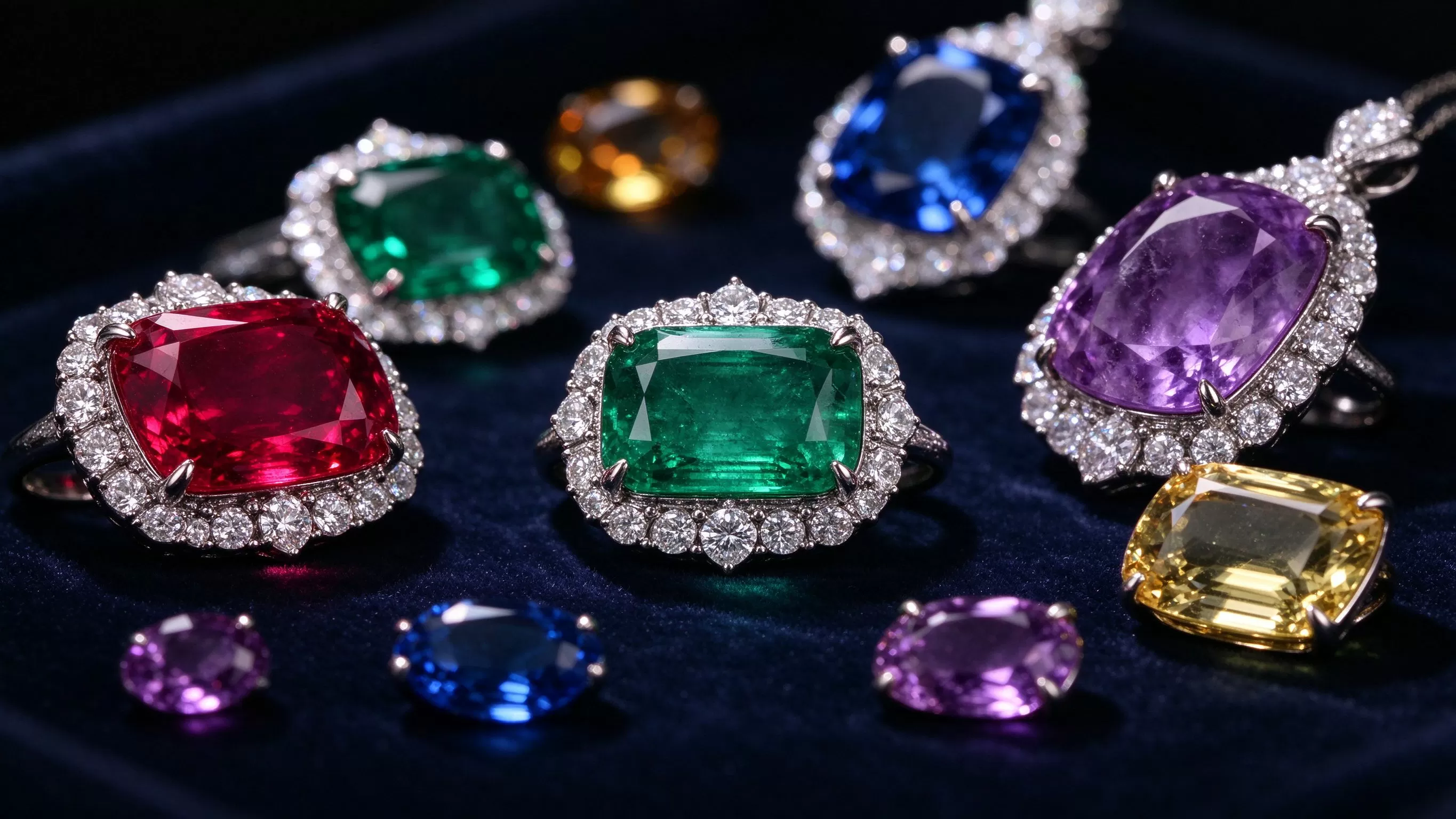
A few field habits make this trade-off easy to present. Lay two stones of similar budget side by side under the same light: one slightly smaller and cleaner, the other larger and more included. Most customers pick the cleaner, brighter stone once they see the face-up difference, which removes the pressure to discount the larger one. Also remember that setting style changes the math: a halo or pavé surround makes a center stone look larger, so a customer can step down in carat and still get the visual size, while a plain solitaire needs the actual weight to carry the look. That flexibility is what turns a price-led sale into a value-led one, and it is why stocking both near-magic weights and a range of clarity grades gives the sales team room to negotiate without slashing margin.
FAQ: Carat vs clarity when buying jewelry
Is a 1-carat stone always better than a 0.9-carat?
No. The per-carat price jumps at round numbers, so a well-cut 0.9-carat eye-clean stone often looks better on the hand than a cloudy 1.0-carat stone for similar money.
What clarity grade is eye-clean?
It varies by stone. Many SI1 and SI2 stones are eye-clean, while some VS stones hold a visible inclusion. Judge each stone under a loupe and in natural light, not by the grade alone.
Does higher clarity always hold resale value?
Only when the clarity difference is visible to the next buyer. Paying two grades up for an inclusion no one can see usually does not return the premium.
Should I stock near-magic weights?
Yes. A 0.9 or 1.9 carat stone gives customers the look of a bigger stone without the steep round-number price jump, which protects your margin and theirs.
Stocking a bridal case on a tight budget? HOLYCOME supplies well-cut, eye-clean diamonds and moissanite across near-magic weights, with full grading reports and wholesale pricing for retail jewelers. Read our first-order checklist or request a quote for your bridal program.
Frequently Asked Questions
How do I verify a factory before placing a bulk order?
Request a production video, business license, export records and a paid sample run. A factory that accepts a 50-piece test order is usually a real manufacturer.
What payment terms do you offer?
30% T/T deposit with the balance against the bill of lading. This protects both sides on first orders and can move to net terms after a track record.
What is your normal reject rate?
3–5% under 10x loupe inspection for cast and set pieces. Defective units are replaced free in the next shipment.
Where is the factory located?
Wuzhou, Guangxi, China—the core lab-grown and moissanite manufacturing cluster. Shipments go via Guangzhou or Shenzhen ports.