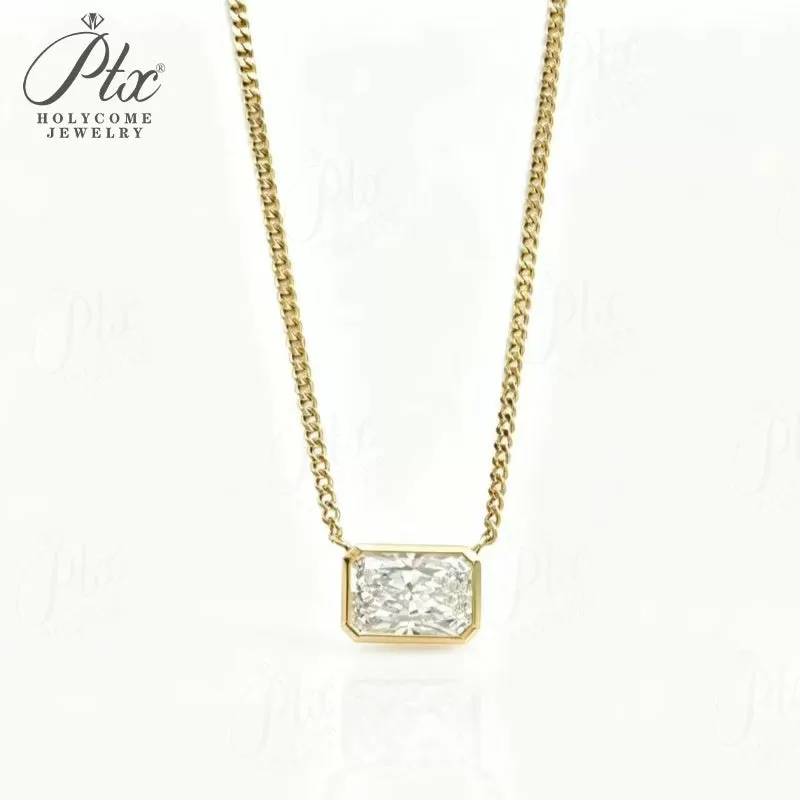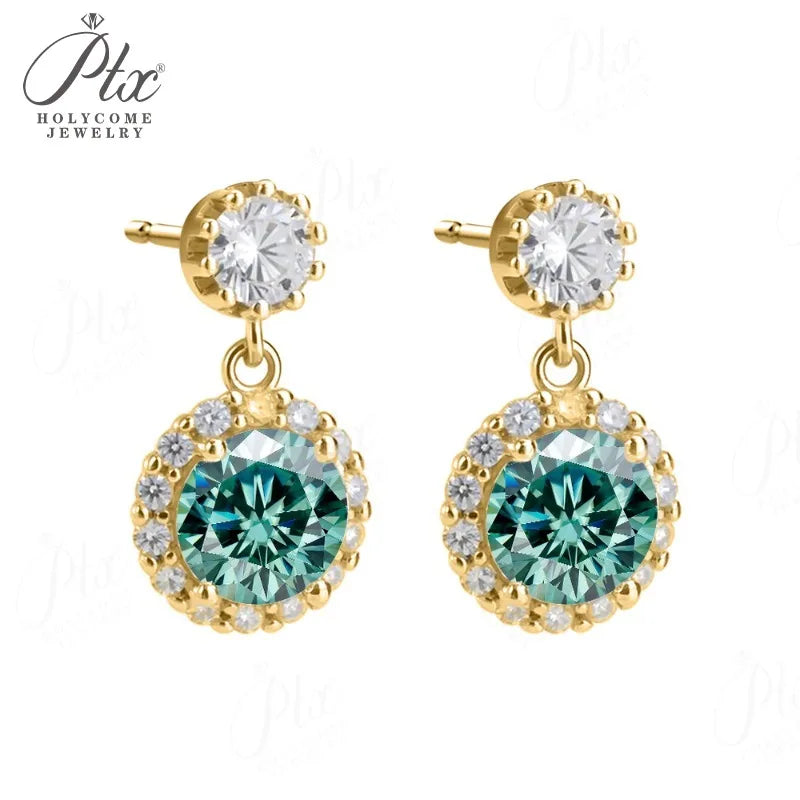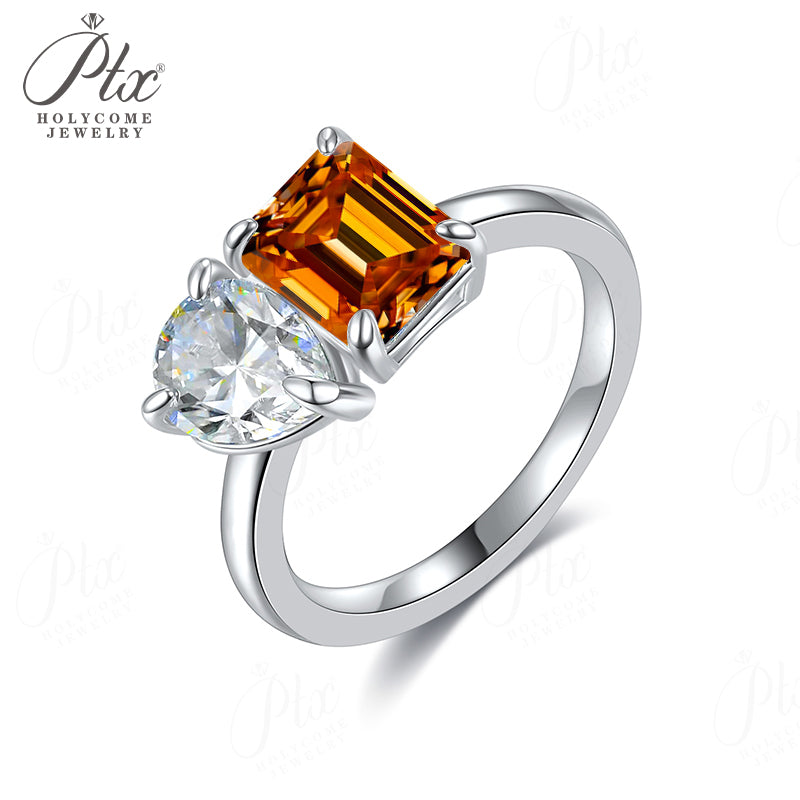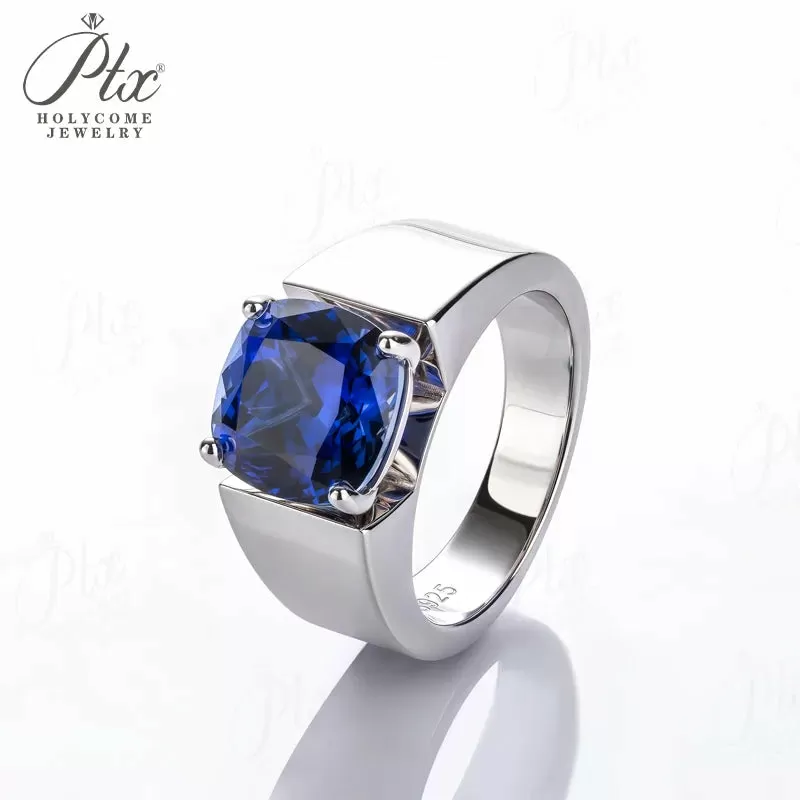
Gold is one of the most durable precious metals, but it still requires proper care to maintain its luster and value. Whether you own 10K, 14K, or 18K gold jewelry, understanding proper cleaning and maintenance ensures your pieces look beautiful for generations.
Understanding Gold Karats and Durability
Pure gold (24K) is soft and easily scratched, which is why it is alloyed with other metals for jewelry. Lower karat gold (10K, 14K) is harder and more durable for daily wear, while higher karat (18K, 22K) is softer but richer in color. All gold jewelry benefits from regular care.
| Karat | Hardness | Scratch Resistance | Daily Wear Suitability |
|---|---|---|---|
| 10K | Hardest | Excellent | Best for daily wear |
| 14K | Hard | Very good | Excellent for daily wear |
| 18K | Medium | Good | Good with care |
| 22K | Soft | Fair | Occasional wear only |
| 24K | Very soft | Poor | Not for jewelry |
Daily Cleaning: Soap and Water
The safest and most effective way to clean gold jewelry is with mild dish soap and warm water. Soak for 15-20 minutes, gently scrub with a soft toothbrush (especially behind stones and in crevices), rinse thoroughly, and pat dry with a lint-free cloth. This removes body oils, lotion, and everyday grime without damaging the metal or stones.
Polishing Gold
Over time, gold develops fine scratches that dull its shine. A gold polishing cloth (impregnated with polishing compound) restores shine by removing micro-scratches. Gently rub in straight lines, not circles. For deeper scratches, a jeweler can professionally polish the piece, though this removes a tiny amount of metal each time - so limit professional polishing to once every 1-2 years.
White Gold: Rhodium Plating Maintenance
White gold is naturally yellowish-white and is rhodium-plated to achieve a bright white finish. This plating wears off over 6-18 months, revealing the warmer base color. Re-plating costs $20-50 at a jeweler and takes 1-3 days. Signs you need re-plating: yellowish tint visible, especially on the back of rings and inside bands.
What Damages Gold
- Chlorine - Pool and hot tub chlorine can pit and discolor gold, especially white gold. Always remove jewelry before swimming.
- Bleach and household chemicals - Can cause discoloration and weaken solder joints.
- Hard impacts - Gold is relatively soft; sharp blows can bend prongs, dent bands, or chip stones.
- Abrasive materials - Comet, Ajax, and other abrasive cleaners scratch gold.
- Body products - Perfume, hairspray, and lotion can build up on gold; apply products before putting on jewelry.
Ultrasonic and Steam Cleaning
Ultrasonic cleaners are safe for solid gold jewelry with securely set diamonds, sapphires, and rubies. However, avoid ultrasonic for gold jewelry with emeralds, opals, pearls, turquoise, or any glued or foil-backed stones. Steam cleaning is also safe for solid gold with durable stones but can damage softer gems and antique pieces.
Storage Tips
- Store each piece separately in soft pouches or a lined jewelry box to prevent scratching
- Gold is soft - even diamonds in other pieces can scratch gold
- Keep white gold away from other metals to prevent plating damage
- Store in a cool, dry place away from direct sunlight
- Use anti-tarnish strips for silver-gold mixed pieces
Professional Maintenance
Have gold jewelry inspected by a jeweler every 6-12 months. They will check prong tightness, look for loose stones, inspect solder joints, and professionally clean and polish. This preventive maintenance prevents stone loss and catches small issues before they become expensive repairs.
Frequently Asked Questions
Can I wear gold jewelry in the shower?
While gold itself is water-resistant, showering with gold jewelry is not recommended. Soap and shampoo build up on the surface, reducing shine, and hot water can weaken solder over time. For white gold, water exposure accelerates rhodium plating wear. Remove gold jewelry before showering for best long-term results.
How often should gold be professionally polished?
Professional polishing removes a tiny amount of metal each time, so it should be limited to once every 1-2 years for most pieces. Between professional polishings, use a gold polishing cloth at home to restore shine. Over-polishing can thin bands and weaken prongs over decades.
Does gold tarnish?
Pure gold does not tarnish, but gold alloys (especially lower karats with copper) can develop a slight patina or discoloration over time, particularly when exposed to chlorine or chemicals. This is easily removed with polishing. White gold does not tarnish but its rhodium plating wears off, revealing the warmer base color.
Can I clean gold with toothpaste?
No. Toothpaste is abrasive and will scratch gold, especially softer 18K and 22K gold. The micro-scratches make gold look dull and tarnish faster. Use mild dish soap and warm water with a soft toothbrush instead, or a dedicated gold polishing cloth.
More expert guides at GemManufacturer. Wholesale: service@holycome.com.