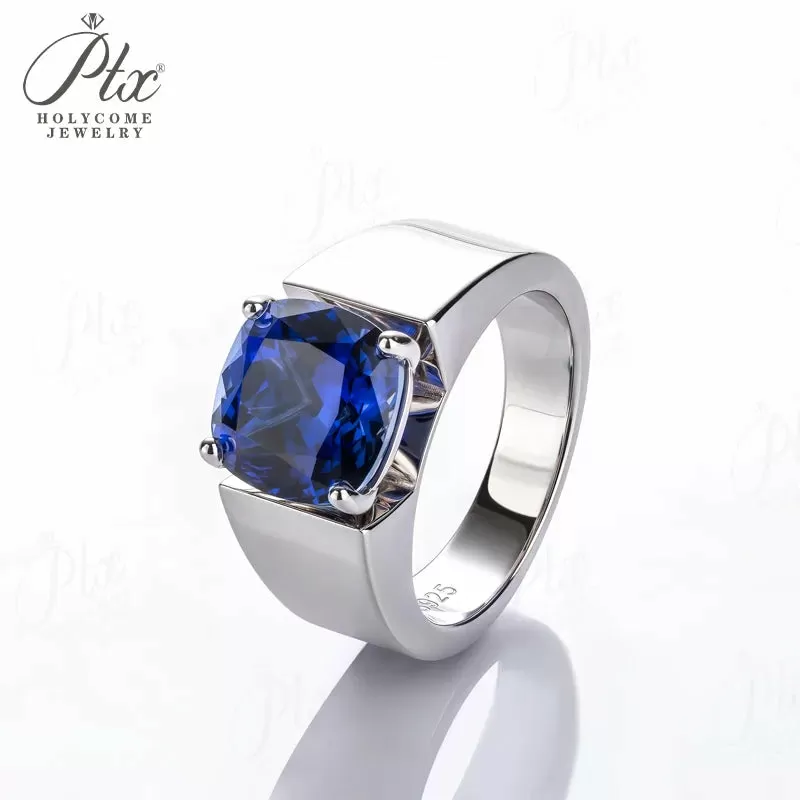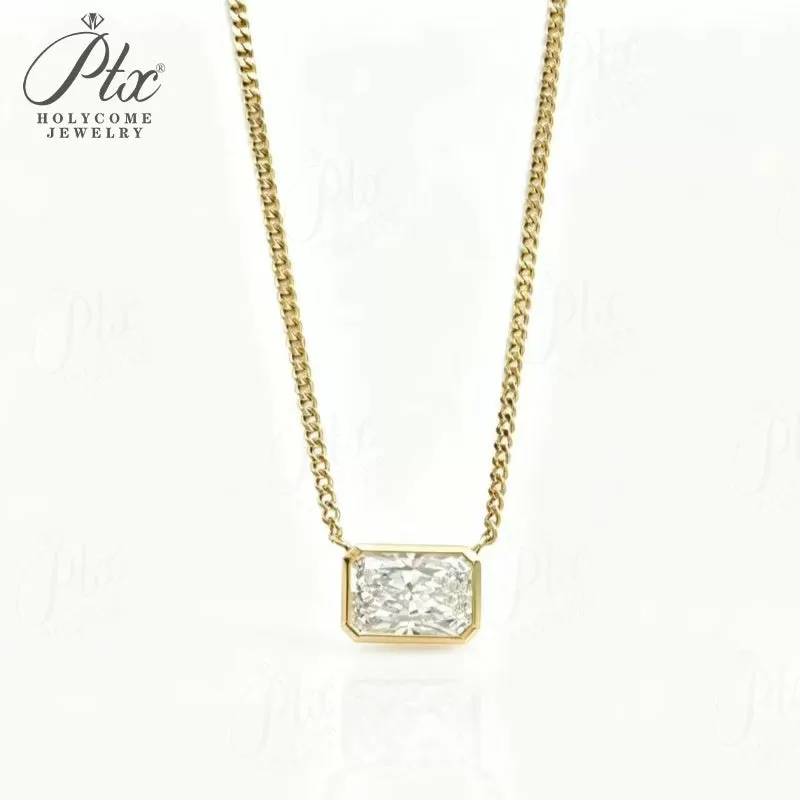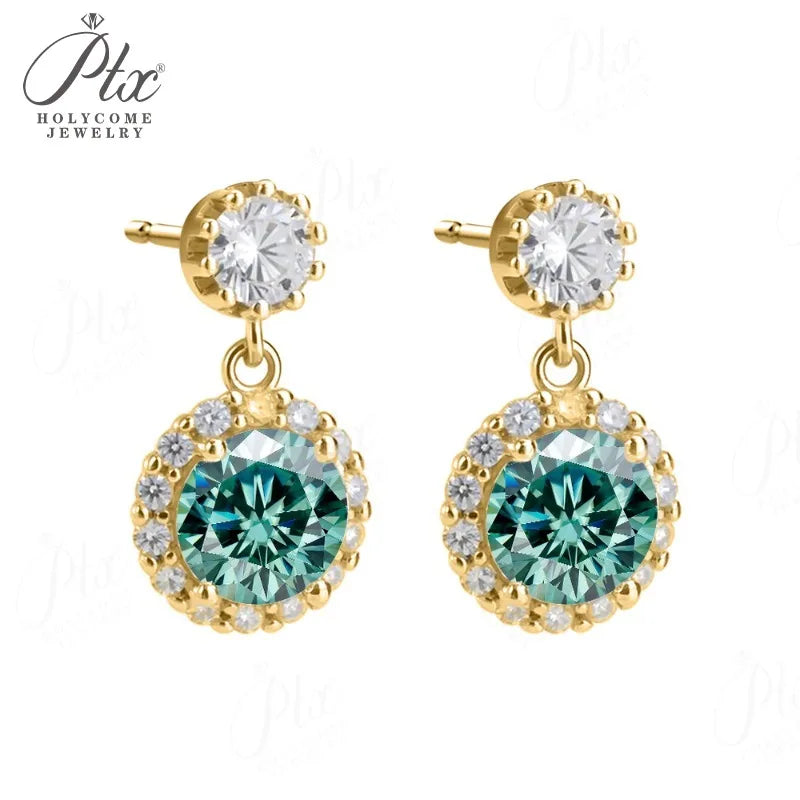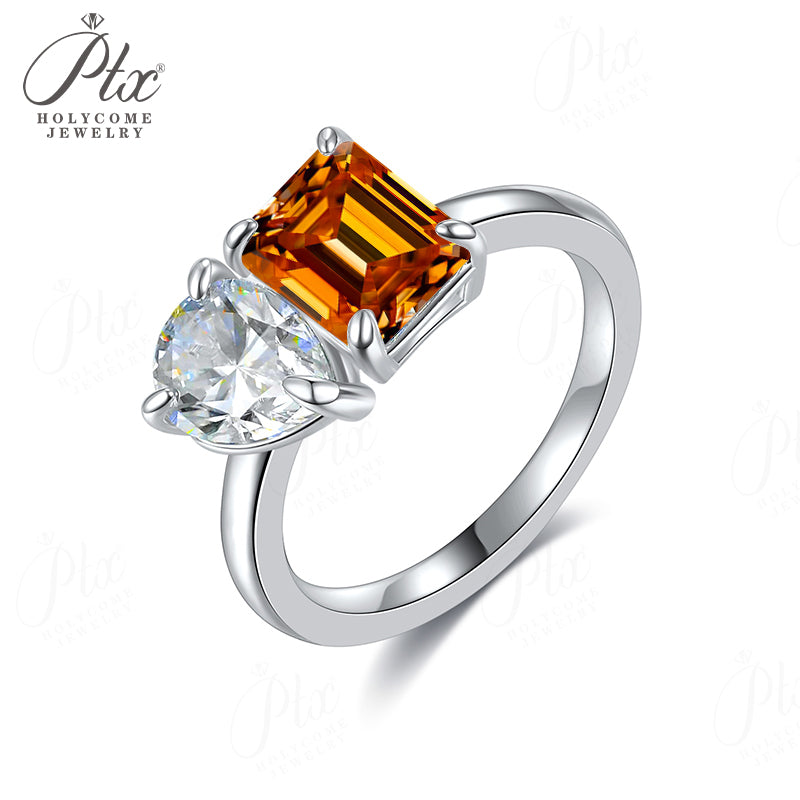
Titanium and stainless steel are among the most durable and low-maintenance jewelry metals available. Their corrosion resistance and hardness make them ideal for everyday wear, but they still benefit from basic care to maintain appearance and extend the life of any plating.
Why These Metals Are Different
Unlike silver (which tarnishes) or gold (which scratches), titanium and stainless steel form a self-repairing oxide layer that prevents corrosion and discoloration. 316L surgical stainless steel contains chromium that creates a protective chromium oxide layer. Titanium forms titanium oxide when exposed to air. Both are waterproof, sweatproof, and hypoallergenic.
| Property | Titanium | 316L Stainless Steel |
|---|---|---|
| Hardness (HV) | 100-150 | 150-200 |
| Corrosion resistance | Excellent | Excellent |
| Waterproof | Yes | Yes |
| Weight | Light (4.5 g/cm3) | Medium (7.98 g/cm3) |
| Hypoallergenic | Excellent | Very good |
| Plating options | Anodized colors, IP | IP gold/rose/black |
Basic Cleaning
For plain (unplated) titanium and stainless steel: simply rinse under warm water and wipe dry with a soft cloth. For oily or dirty buildup, use mild dish soap and a soft toothbrush, then rinse and dry. No special cleaners needed. These metals can be worn in the shower, pool, and ocean without damage.
IP Plated Pieces: Extra Care
Many titanium and steel pieces feature IP (Ion Plating) in gold, rose gold, black, or blue. While IP plating is far more durable than traditional electroplating (lasting 1-5 years vs months), it can still wear over time, especially on rings.
- Avoid abrasive cleaners - Comet, Ajax, and scrubbing pads scratch IP plating
- Remove before heavy manual work - Constant friction wears plating faster on rings
- Clean with soft cloth only - Do not use polishing cloths with compound, as they can wear plating
- Chlorine is OK - IP plating resists chlorine better than gold plating, but prolonged exposure may fade
Removing Scratches
Plain stainless steel and titanium can be polished to remove light scratches. Use a stainless steel polish (like Brasso or a specialized metal polish) applied with a soft cloth, rubbing in the direction of the grain if the piece has a brushed finish. For high-polish pieces, use a jeweler's cloth. Deep scratches may require professional refinishing.
Note: Do not attempt to polish IP-plated pieces - you will remove the plating. For scratched plated jewelry, contact the manufacturer about re-plating or replacement.
Anodized Titanium Colors
Pure titanium can be anodized to create permanent colors (blue, purple, green, gold) through controlled oxidation. These colors are integral to the metal, not a coating, and will not chip or peel. However, they can be scratched through to the silver titanium underneath. Anodized titanium is safe for all water activities and requires no special care beyond basic cleaning.
Storage
While these metals do not tarnish, they can still be scratched by harder materials. Store in individual pouches or compartments to prevent rubbing against other jewelry, especially diamond pieces. No anti-tarnish strips needed. Titanium and steel can be stored in any environment - no humidity or temperature concerns.
What Not to Do
- Do not use silver polish or silver dip on steel/titanium - it is unnecessary and may damage plating
- Do not use ultrasonic on pieces with glued stones or enamel
- Do not wear IP-plated rings while doing heavy work with hands
- Do not attempt to re-plate at home - IP plating requires specialized equipment
- Do not use bleach on anodized titanium - it can affect the oxide color layer
Frequently Asked Questions
Can I wear stainless steel jewelry in the shower?
Yes. 316L stainless steel is fully waterproof and corrosion-resistant. It can be worn in the shower, pool, and ocean without damage. However, if the piece has IP plating (gold, rose gold, black), prolonged water exposure may slightly accelerate wear over years. Plain stainless steel is completely worry-free.
How do I remove scratches from stainless steel jewelry?
For plain stainless steel, use a metal polish (like Brasso or Wenol) applied with a soft cloth, rubbing gently. For brushed finishes, rub in the direction of the grain. A jeweler's polishing cloth also works for light scratches. Deep scratches may need professional refinishing. Do not polish IP-plated pieces - you will remove the plating.
Does titanium jewelry tarnish?
No. Titanium does not tarnish, rust, or corrode. It forms a self-repairing titanium oxide layer that protects the metal. Anodized titanium colors are integral to the metal and will not chip or peel, though they can be scratched through. Titanium is one of the most low-maintenance jewelry metals available.
How long does IP plating last on stainless steel?
IP (Ion Plating) on stainless steel typically lasts 1-5 years with regular wear, depending on the piece. Rings wear fastest (1-2 years) due to constant contact, while pendants and earrings can last 3-5+ years. IP plating is 10-20x more durable than traditional gold electroplating, which lasts only weeks to months.
More expert guides at GemManufacturer. Wholesale: service@holycome.com.