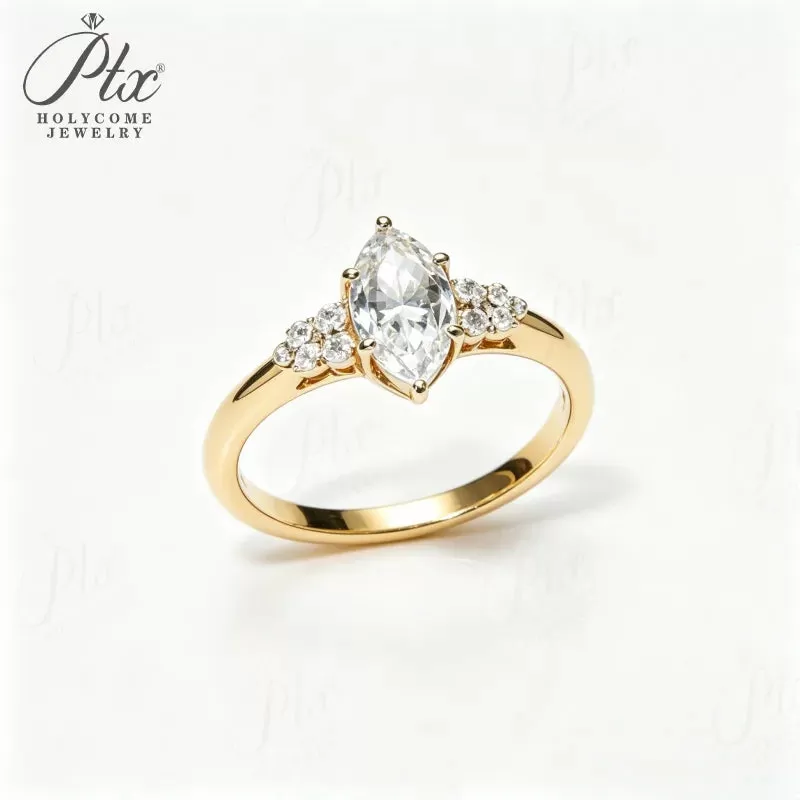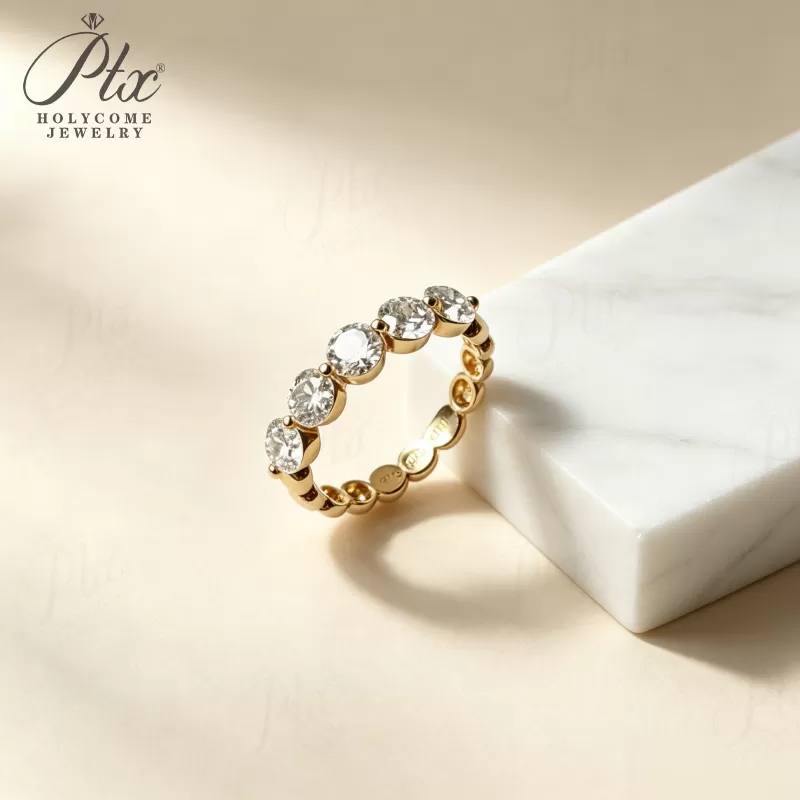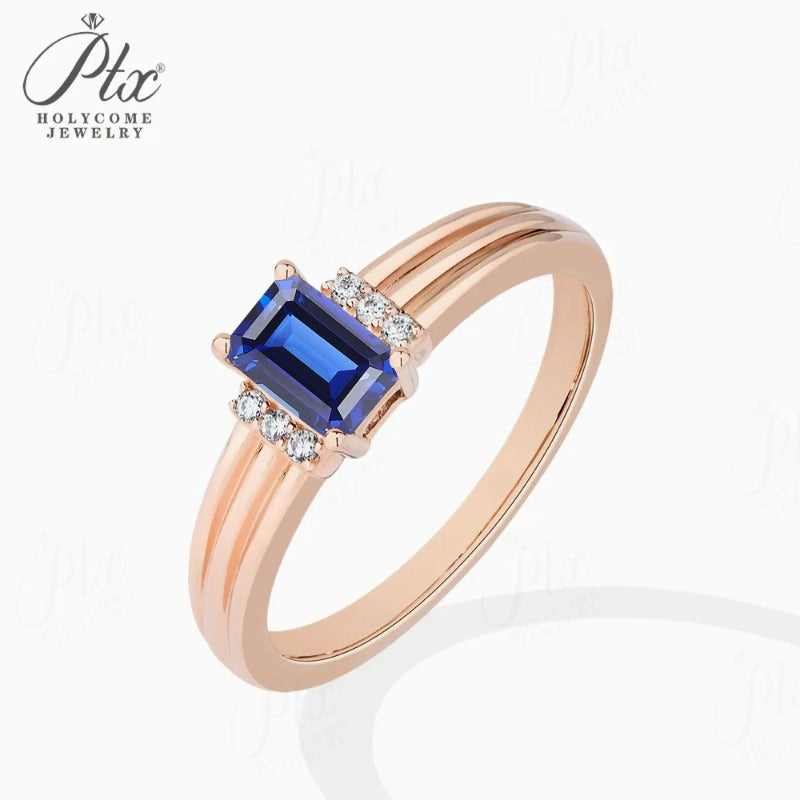
Moissanite (silicon carbide, SiC) is a lab-created gemstone that has revolutionized the jewelry industry. Understanding how moissanite is manufactured helps explain its properties, pricing, and quality differences between suppliers.
The Discovery of Moissanite
Natural moissanite was first discovered in 1893 by Nobel Prize-winning chemist Dr. Henri Moissan in a meteor crater in Arizona. Natural moissanite is extremely rare - so rare that it was not commercially viable until lab-creation methods were developed. In 1998, Charles and Colvard introduced the first commercially available lab-grown moissanite.
The Lely Method: Crystal Growth
Moissanite crystals are grown using a modified Lely method, a sublimation technique:
- Source material - Silicon carbide powder is placed in a graphite crucible
- High temperature - The crucible is heated to 2,000-2,500C in an inert gas atmosphere
- Sublimation - The SiC powder sublimates (solid to gas) at high temperature
- Crystallization - SiC vapor condenses on a cooler seed crystal, growing a large boule
- Growth period - Crystals grow over 2-4 weeks, reaching 10-30mm
- Color control - Nitrogen creates colorless crystals; boron creates blue
The process requires precise temperature control (within 5C) and atmospheric management. Even small variations can cause defects or color inconsistency.
Cutting and Polishing
After crystal growth, the rough boule is processed:
- Orientation - Crystal oriented to maximize brilliance and minimize double refraction
- Sawing - Boule cut into pieces using diamond saws
- Shaping - Each piece shaped into desired form (round, oval, cushion)
- Facet cutting - Precision facets cut using diamond-impregnated laps
- Polishing - Each facet polished to mirror finish
- Grading - Finished stones graded for color, clarity, cut
Moissanite is harder than most cutting tools, so diamond-impregnated tools are required. The cutting process takes 1-3 hours per stone.
Quality Grading
| Grade | Color | Clarity | Cut | Price Multiplier |
|---|---|---|---|---|
| Premium | D-E (colorless) | VVS-VS | Excellent | 1.5-2x |
| Standard | F-G (near colorless) | VS-SI | Very Good | 1.0-1.5x |
| Commercial | H-I (faint yellow) | SI | Good | 0.6-1.0x |
| Low grade | J+ (yellow) | I | Fair | 0.3-0.6x |
Holycome produces premium grade moissanite with D-E color, VVS clarity, and excellent cut. Every stone comes with a GRA certificate.
Why Moissanite Is Affordable
- Lab-created - No mining costs, no rarity premium
- Controlled production - Consistent quality, predictable supply
- No middlemen - Direct from manufacturer to jeweler
- Lower material cost - Silicon and carbon are abundant elements
- Scalable - Production can increase with demand, keeping prices stable
Moissanite vs Diamond Manufacturing
| Factor | Moissanite | Lab-Grown Diamond |
|---|---|---|
| Growth method | Lely sublimation | HPHT or CVD |
| Growth time | 2-4 weeks | 1-8 weeks |
| Temperature | 2,000-2,500C | 1,300-1,600C (HPHT) |
| Hardness | 9.25 Mohs | 10 Mohs |
| Brilliance | Higher (RI 2.65) | Lower (RI 2.42) |
| Cost per carat | 50-250 dollars | 1,200-6,000 dollars |
| Certification | GRA | GIA/IGI |
Environmental Impact
Moissanite manufacturing has lower environmental impact than diamond mining: no land disruption, lower water usage, controlled energy use, no conflict issues, no soil contamination. However, the high-temperature growth process does consume significant energy. Facilities using renewable energy offer the lowest carbon footprint.
Future of Moissanite
- Larger sizes - Improvements enabling 5+ carat stones
- Fancy colors - Controlled doping for pink, blue, yellow
- New cuts - Innovative designs maximizing moissanite fire
- Custom shapes - CAD-oriented cutting for unique designs
- Market growth - Expected to grow 8-10pct annually
Frequently Asked Questions
How is moissanite made in a lab?
Moissanite is grown using a modified Lely method: silicon carbide powder is heated to 2,000-2,500C in an inert gas atmosphere, causing it to sublimate into vapor. The vapor condenses on a seed crystal, growing a large boule over 2-4 weeks. The boule is then cut, faceted, and polished into gemstones using diamond tools.
Why is moissanite so much cheaper than diamond?
Moissanite is lab-created with controlled production, no mining costs, and no rarity premium. Silicon and carbon are abundant elements. A 1-carat moissanite costs 50-250 dollars wholesale vs 4,000-8,000 for a comparable diamond. Despite the price difference, moissanite is a genuine gemstone (9.25 Mohs) with superior brilliance (2.4x more fire than diamond).
What is the difference between premium and commercial moissanite?
Premium moissanite has D-E color (colorless), VVS clarity, and excellent cut - visually indistinguishable from a high-quality diamond. Commercial grade may have H-I color (faint yellow), SI clarity, and good cut. The difference is visible in side-by-side comparison, especially in larger stones. Always request GRA certification to verify grade.
Can moissanite be created in different colors?
Yes. By controlling the atmosphere during crystal growth, manufacturers can create colored moissanite: nitrogen creates colorless, boron creates blue, and other elements can create yellow, green, or pink. Colored moissanite is less common and may cost slightly more, but the color is permanent and integral to the crystal, not a surface coating.
More expert guides at GemManufacturer. Wholesale: service@holycome.com.