Pure precious metals are too soft for jewelry, so they are alloyed with other metals to improve hardness, create color variations, and reduce cost. Understanding alloy compositions helps manufacturers and consumers make informed choices.
Why Alloy Precious Metals?
Pure gold (24K) is very soft (25-30 HV) and easily scratched or bent. Pure silver (999) is similarly soft. Alloying adds other metals to:
- Increase hardness - Copper, zinc, and nickel harden the metal
- Create color - Copper creates rose gold, nickel/palladium creates white gold
- Improve castability - Zinc lowers melting point and improves flow
- Reduce cost - Lower karat gold uses less precious metal
- Enhance durability - Alloys resist wear and deformation better
Gold Alloys
| Alloy | Gold pct | Copper pct | Silver pct | Other | Color |
|---|---|---|---|---|---|
| 24K Yellow | 99.9 | 0 | 0 | None | Deep yellow |
| 18K Yellow | 75 | 5-10 | 15-20 | Zinc | Rich yellow |
| 14K Yellow | 58.3 | 10-15 | 25-30 | Zinc | Good yellow |
| 18K White | 75 | 0-5 | 0-10 | Ni/Pd 10-15 | White (needs rhodium) |
| 14K White | 58.3 | 0-5 | 0-10 | Ni/Pd 20-25 | White (needs rhodium) |
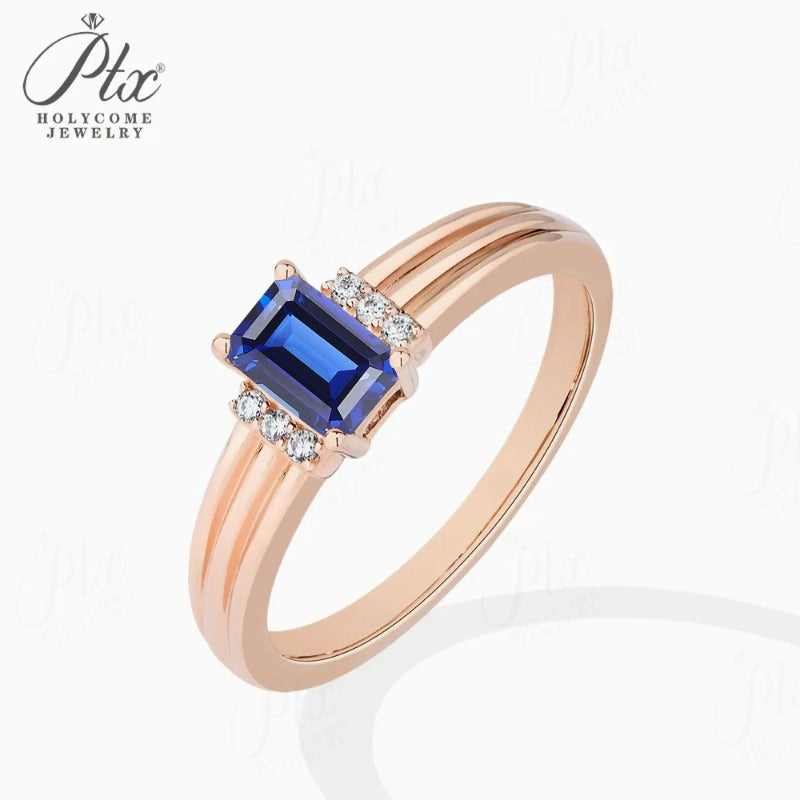
| 18K Rose | 75 | 20-22 | 2-3 | None | Warm pink |
| 14K Rose | 58.3 | 35-40 | 1-3 | None | Deeper pink |
Role of Each Alloying Metal in Gold
- Copper - Hardens gold, creates rose/pink color, lowers cost. Too much copper causes porosity and fire scale.
- Silver - Softens gold slightly, creates green/yellow modifiers, improves workability.
- Zinc - Lowers melting point, improves casting flow, whitens color. Can vaporize at high temps.
- Nickel - Creates white gold, hardens significantly. Common allergen (10-15pct of population).
- Palladium - Creates white gold without nickel, hypoallergenic. More expensive than nickel.
Silver Alloys
| Alloy | Silver pct | Copper pct | Other | Use |
|---|---|---|---|---|
| Fine Silver | 99.9 | 0 | None | Investment, collectible |
| Sterling Silver | 92.5 | 7.5 | None | Standard jewelry |
| Britannia Silver | 95.8 | 4.2 | None | UK standard, softer |
| Argentium Silver | 93.5 | 5.5 | Germanium 1pct | Tarnish-resistant |
Sterling silver (925) is the standard for jewelry. The 7.5pct copper provides hardness while maintaining silver color and workability. Argentium silver adds germanium for improved tarnish resistance.
Platinum Alloys
| Alloy | Platinum pct | Alloy | Hardness | Use |
|---|---|---|---|---|
| PT950 | 95 | Ruthenium 5pct | 110-130 HV | Standard jewelry |
| PT900 | 90 | Iridium 10pct | 120-140 HV | Older standard |
| PT950 Cobalt | 95 | Cobalt 5pct | 130-150 HV | Casting improved |
Platinum is alloyed with ruthenium, iridium, or cobalt for hardness. PT950 is the global standard. Platinum is denser (21.45 g/cm3) than gold, so a platinum ring of the same dimensions weighs 60pct more and contains more precious metal by weight.
Alloy Selection by Application
| Application | Recommended Alloy | Reason |
|---|---|---|
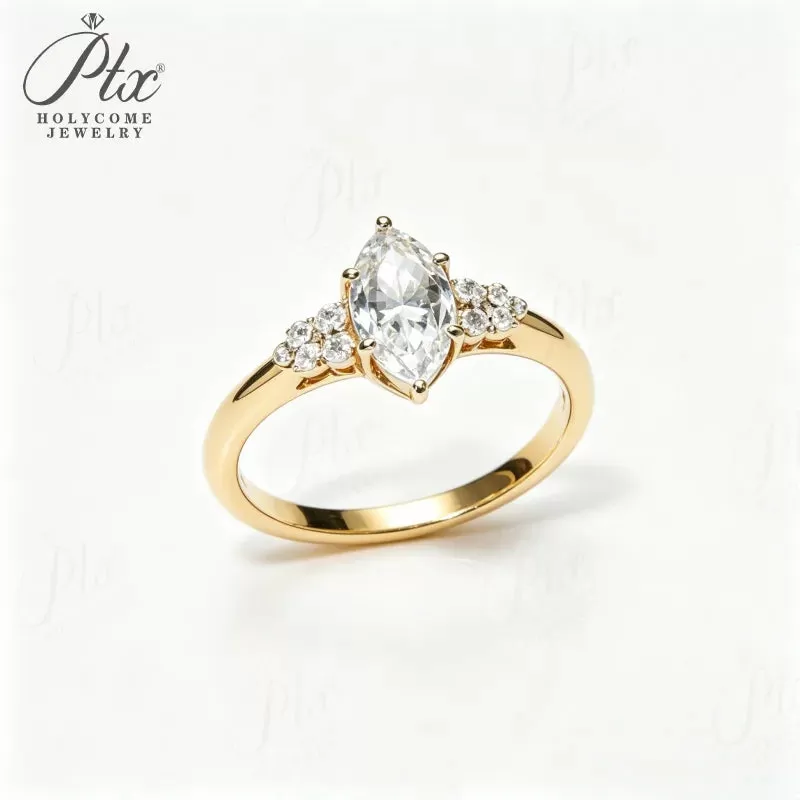
| Engagement ring | 14K/18K gold or PT950 | Durability + value |
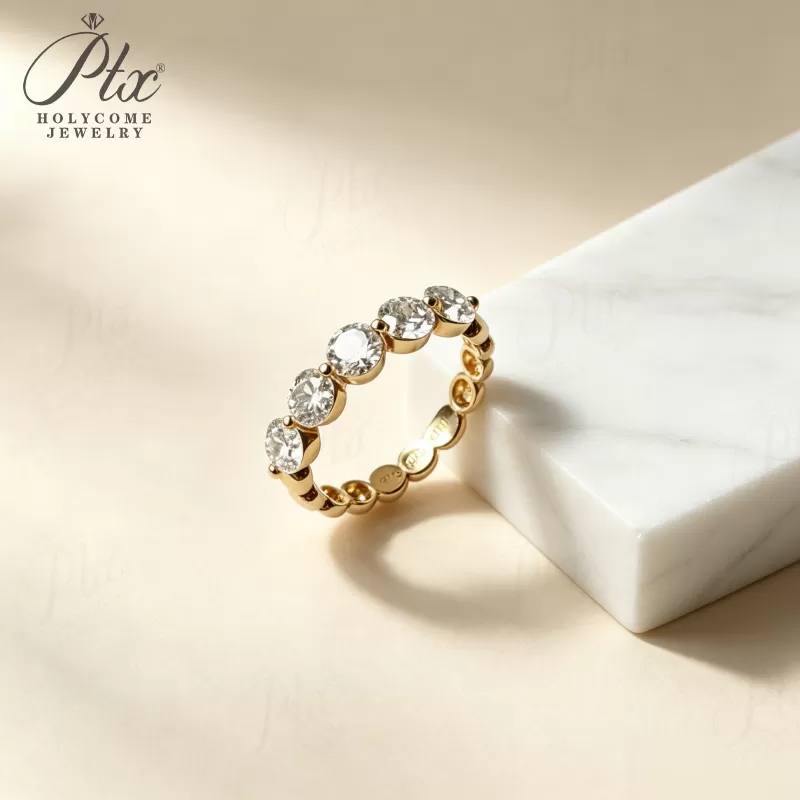
| Wedding band | 14K gold or PT950 | Daily wear durability |
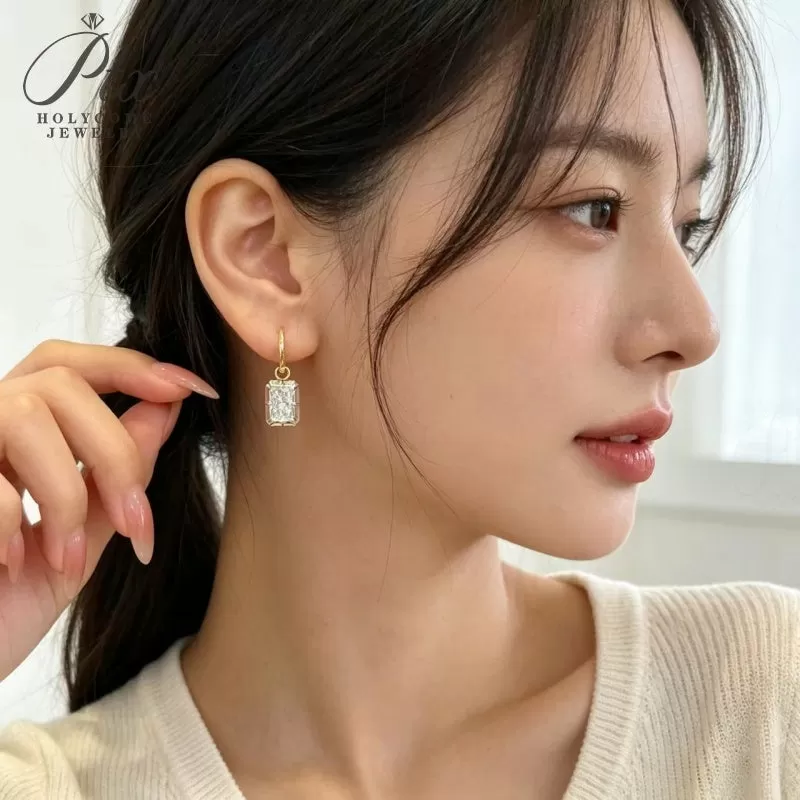
| Fashion earrings | 925 silver or 10K gold | Affordable, sufficient durability |
| Necklace chain | 14K gold or silver | Workability, strength |
| Bracelet | 14K gold or stainless steel | Impact resistance |
| Heirloom piece | 18K gold or platinum | Purity, lasting value |
| Hypoallergenic | PT950, Pd950, or titanium | No nickel, inert |
Alloy Quality Issues
- Porosity - Caused by zinc vaporization or gas entrapment
- Fire scale - Copper oxide on surface from heating; prevented with flux
- Color inconsistency - From inconsistent alloy batches; use certified alloys
- Nickel leaching - Nickel white gold can cause allergies; use palladium white gold
- Under-karat - Less gold than marked; illegal; verify with XRF
Sourcing Quality Alloys
Always source precious metal alloys from certified refiners. Reputable suppliers provide assay certificates verifying composition. Use pre-alloyed grain or sheet rather than mixing your own. For gold, use alloys specifically formulated for jewelry casting (not dental or industrial alloys).
Frequently Asked Questions
Why is copper added to gold and silver?
Copper is the primary alloying metal because it hardens soft precious metals while maintaining good workability. In gold, copper also creates rose/pink color. In sterling silver, 7.5pct copper provides the hardness needed for jewelry while keeping 92.5pct silver content. Too much copper can cause porosity in casting and fire scale during soldering.
What is the difference between nickel and palladium white gold?
Nickel white gold uses nickel as the whitening agent - it is cheaper and harder, but nickel is a common allergen affecting 10-15pct of people. Palladium white gold uses palladium instead - it is hypoallergenic, naturally whiter, but more expensive. For customers with sensitive skin, palladium white gold or platinum is recommended.
Is 10K gold real gold?
Yes, 10K gold contains 41.7pct pure gold and is legally considered gold in the US (minimum 10K). It is harder and more durable than 14K or 18K, but has a paler yellow color and is more likely to cause skin reactions due to higher alloy content. In some European countries, 10K is not legally recognized as gold.
What is Argentium silver?
Argentium silver is a modern sterling silver alloy containing 93.5pct silver, 5.5pct copper, and 1pct germanium. The germanium creates a protective oxide layer that significantly reduces tarnishing compared to traditional sterling silver. It is also more ductile and has a brighter white color. It costs slightly more but requires less maintenance and is gaining popularity in fine jewelry.
More expert guides at GemManufacturer. Wholesale: service@holycome.com.