Peridot Gemstone Guide: The Volcanic Green August Birthstone
Peridot is one of the few gems that forms in a single color, and it arrives at the surface the way few other stones do: carried upward by molten rock and thrown out by volcanoes. Its olive-to-lime green has decorated crowns and amulets for three thousand years, yet most shoppers today know it only as the affordable August birthstone. This guide explains where peridot actually comes from, why its green changes with iron content, how heat and treatment affect it, and what separates a fine lime-green stone from a muddy brownish one that will never look its best in a ring.
Unlike diamond, ruby, or sapphire, peridot is not a mineral you find in a riverbed after it erodes from hard rock. It crystallizes deep in the mantle inside lava called basalt, and it is mined from the lava that froze around it. That volcanic origin shapes everything about the stone: its typical inclusions, its sensitivity to acids, its common yellow-brown overtone, and the way its value climbs as the green pushes toward a saturated, slightly yellowish lime. By the end of this guide you should be able to look at a peridot and judge whether the color, clarity, and cut justify the price a dealer is asking.
What Peridot Actually Is: Olivine in a Jewelry Grade
Peridot is the gem variety of the mineral olivine, a magnesium-iron silicate that is one of the most common minerals in the upper mantle. Olivine is everywhere geologically, but jewelry-grade peridot is rare because it must crystallize in large, clean, beautifully colored crystals and survive the violent trip through a volcano without shattering. Most olivine is the dull granular green sand you see in dark beaches; the peridot in a jewelry store is the exceptional crystal that held together.
The color of peridot is controlled entirely by iron. More iron deepens the green into an olive or brownish tone, while less iron leaves a brighter, more yellowish lime. The most coveted peridot is a vivid, slightly yellowish green that dealers describe as "lime" or "grass" green, with just enough brown to feel warm rather than neon. Stones that lean heavily toward brown are cheaper and read as muddy in dim light, which is why color is the single biggest driver of peridot value.
Peridot sits at 6.5 to 7 on the Mohs scale, which is softer than quartz and far softer than sapphire or diamond. That hardness places it in the middle of everyday durability: it survives rings and pendants comfortably, but it will scratch more readily than a sapphire, and it dislikes hard knocks. Anyone choosing peridot for an engagement ring should understand the tradeoff and read our note on gemstone durability before committing.
Where Peridot Comes From: Volcanoes, Islands, and Meteorites
The historical source of peridot is a tiny volcanic island in the Red Sea called Zabargad, known to the ancients as Topazios. Greek and Roman miners worked Zabargad for peridot as early as the second century BCE, and many historians believe the "topaz" of ancient texts was actually this stone. The island is still the type locality, though production there is now minimal.
Today the dominant commercial source is Pakistan, particularly the Kashmir-related deposits in the Himalayan foothills, which produce unusually clean, large crystals with a bright green. Other important sources include Myanmar, Vietnam, Tanzania, and China, plus the American Southwest, where Arizona has long supplied the commercial peridot sold in chain jewelry stores. Arizona material tends to be smaller and more yellow-green, while Pakistani material reaches larger sizes with a richer body color.
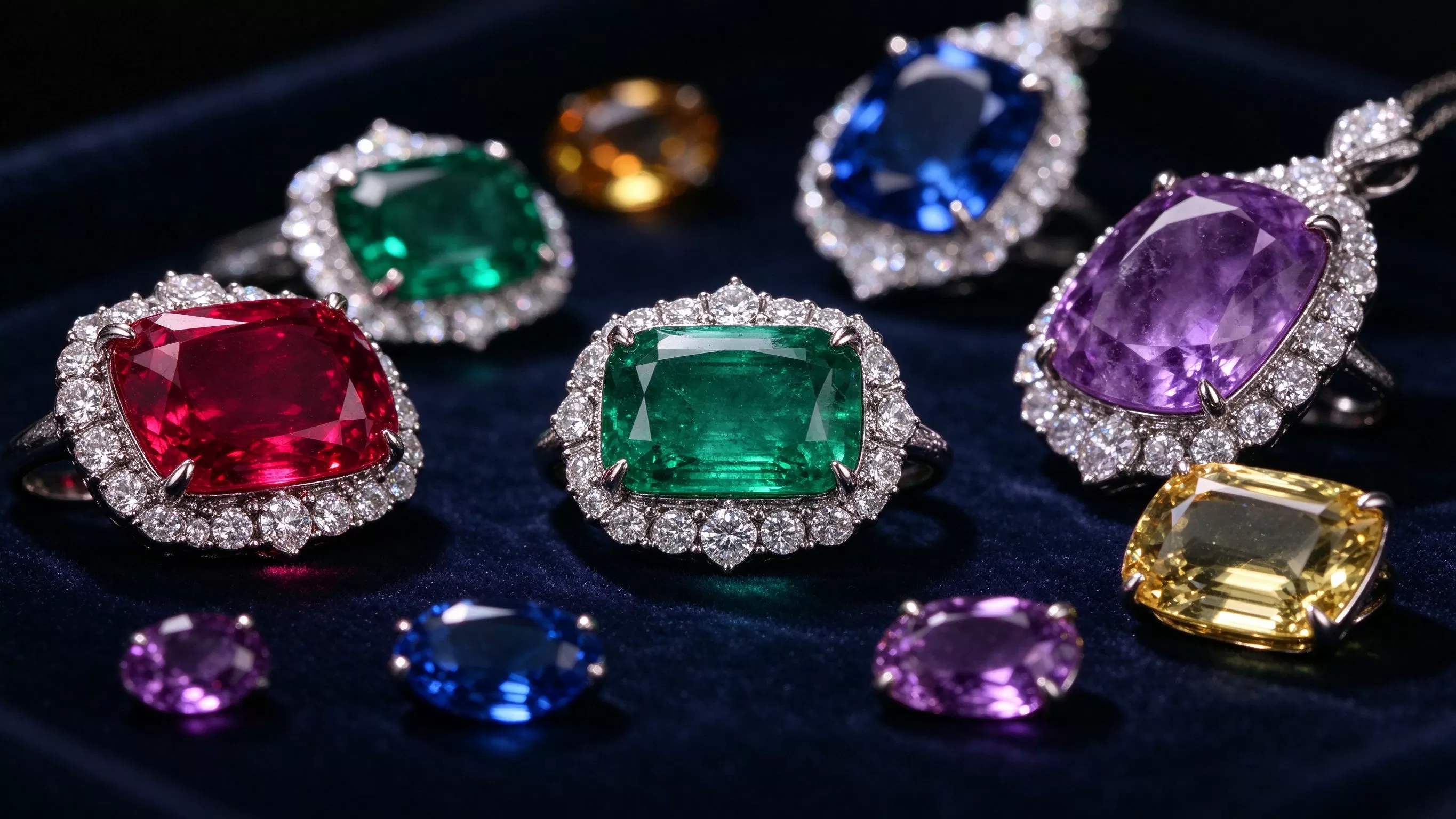
The most romantic source is not on Earth at all. Peridot also forms inside pallasite meteorites, where olivine crystals are suspended in iron-nickel metal. Cut pallasite peridot, sometimes called "meteoritic peridot," exists in tiny quantities and is collected by specialists rather than sold as mainstream jewelry. For the buyer, the takeaway is simpler: ordinary peridot from Arizona or Pakistan is a beautiful, affordable volcanic gem, and the meteorite material is a curiosity you can safely ignore unless you specifically seek it.
Color: Reading the Green the Way a Dealer Does
When a gemologist grades peridot, they look past the word "green" and ask three questions. How saturated is the color? Is it yellowish, olive, or brownish? And does it stay rich in both daylight and warm indoor light? The ideal peridot shows a lively, moderately saturated green with a slight yellow secondary hue. It should not look like melted Jell-o, and it should not read as dark olive the moment you step inside.
Brownish overtone is the flaw that most often disappoints buyers. A peridot that looks like a green olive or an avocado pit will cost less and will photograph poorly, because the brown deadens the sparkle. Yellowish stones are generally brighter and more cheerful, while stones with a slightly bluish cast are the rarest and most prized, although true blue-green peridot is so uncommon it barely appears in the commercial market.
Size matters differently in peridot than in ruby. Because peridot forms in sizable crystals, clean stones above two carats are not rare on the market, and the price climbs gently rather than exponentially as carat weight rises. That means a buyer can afford a bold three-carat peridot where a three-carat sapphire would be out of reach. Use that leverage: demand better color and clarity at three carats than you would accept at one.
Clarity and Cut: Why Inclusions Are Normal
Nearly every natural peridot contains characteristic inclusions that dealers call "lily pads" or, more formally, healed stress fractures. These look like flattened, disc-like internal wisps, and they are normal and expected. Eye-clean peridot exists, but it commands a premium, and a small internal lily pad visible only under magnification does not hurt a well-priced stone. What you should reject is a stone that looks cloudy, has a crack reaching the surface, or has a dark center that dies in sunlight.
Cut matters because peridot has a strong double refraction and a tendency to look flat if cut too deep or too shallow. A well-cut peridot shows bright flashes across the table, while a poorly cut one looks like a flat green window. Most commercial peridot is cut into ovals, cushions, or pear shapes because those shapes hide color zoning and maximize color retention. Fancy shapes are available but cost more, and you pay extra for the shape rather than the stone.
Treatments: What Is Done and What to Expect
Peridot is refreshingly honest compared with many colored stones. The vast majority of peridot on the market is completely natural and untreated. It is not routinely heated to improve color the way ruby and sapphire are, it is not fracture-filled like emerald, and it is not dyed like some lower-priced opaque stones. The principal "treatment" in the trade is selecting and cutting to show the best available color, not altering the stone itself.
That said, buyers should watch for two things. First, very cheap "peridot" jewelry is sometimes made of colored glass or synthetic forsterite, which lacks the fire and the inclusions of the real thing. Second, some sellers describe intensely colored material as if it were premium when it is simply backlit or photographed in saturated lighting. A reputable dealer will let you view the stone in natural daylight and will confirm in writing that the peridot is natural and untreated. For background on how treatments are disclosed across colored stones, see our overview of gemstone heat and dyeing treatments.
Peridot Durability and Everyday Wear
At 6.5 to 7 on the Mohs scale, peridot is wearable but not invincible. It scores well above pearls or opal, but below the 9 of sapphire, which means over years of ring wear it will develop micro-scratches on the facet edges. A pendant or a pair of earrings is the safest home for peridot, because those pieces rarely knock against hard surfaces. A peridot ring works beautifully for someone who works at a desk and removes the ring before gardening, cleaning, or gym work.
Peridot has one specific enemy: acid. It is sensitive to sulfur and acidic environments, which is the chemistry behind why some ancient peridot carvings were damaged by burial. In practice that means keep peridot away from perfumes, hairspray, household cleaners, and acidic foods, and never use an ultrasonic or steam cleaner on it. Warm soapy water and a soft cloth are the correct tools, as detailed in our guide to cleaning jewelry by stone type.
Because peridot is softer than its setting, store it separately so it cannot be scratched by harder gems and so it does not scratch softer metal jewelry. A small fabric pouch or its own box slot prevents most accidental damage. Rings should be checked at the prongs once a year, since a loosened peridot is more likely to chip than a harder stone if it shifts in its seat.
Peridot Meaning, Birthstone Status, and Color Pairing
Peridot is the modern birthstone for August, sharing the month with sardonyx and spinel in some traditional lists. It has long been associated with protection, calming, and a sense of renewal, and ancient miners believed it warded off nightmares. Whether or not you read into the lore, peridot's warm green pairs effortlessly with both yellow gold and rose gold, and it reads as fresh and summery next to silver.
Fashion-wise, peridot works as an alternative to emerald for buyers who want green without the price or the brittleness of emerald. It pairs especially well with diamonds or moissanite as accents, and a peridot halo ring gives a richer, more unusual green than a simple emerald solitaire. Because peridot is affordable, it also scales up beautifully into statement necklaces and large cocktail rings without the budget panic that accompanies a same-sized emerald.
For shoppers building a birthstone collection, peridot fills the green slot in the August position, and its relatively modest price means you can collect multiple cuts and colors of the same stone. If you are putting together a full birthstone set, cross-reference the full birthstone chart and its sourcing notes before you buy.
How to Judge Value: A Quick Buying Checklist
Use this checklist the next time you compare two peridots side by side. The highest price should track the most saturated, least brown, eye-clean stone cut with crisp facets and a secure setting. Cheap peridot is easy to find; fine peridot rewards a patient eye.
- Color first: favor vivid lime or grass green, avoid brownish olive and dark stones that die indoors.
- Check the body in natural daylight, not under showroom spotlights, before deciding.
- Look for eye-clean clarity; small lily-pad inclusions under magnification are normal and acceptable.
- Confirm the stone is natural and untreated in writing; reject glass imitations at any price.
- Prefer a protective bezel or half-bezel setting for a ring, since peridot chips more easily than sapphire.
- Remember size is cheap in peridot: spend on color and cut rather than chasing the biggest carat.
Peridot vs Emerald: Two Greens, Two Worlds
Shoppers often weigh peridot against emerald because both are green and both are classic August-to-autumn stones. The two could hardly be more different in character. Emerald is a beryl prized for a deep, saturated green that carries inclusions collectors call the jardin, and it is brittle, oil-treated, and expensive. Peridot is a silicate that is brighter, yellower, and far cleaner to the eye, and it costs a fraction of an equivalent-sized emerald. If you want the moody, forest green of a high Colombian emerald, peridot will not pretend to be that. If you want a cheerful lime green at a price you can actually wear every day, peridot wins easily.
Durability is the other dividing line. Emerald ranks 7.5 to 8 but is brittle and full of internal fractures, so it chips and cracks if bumped. Peridot is softer on paper at 6.5 to 7 but is tougher and more uniformly solid, with fewer hidden fractures waiting to split. In a pendant, both are safe. In a ring, peridot in a protective setting often outlasts an emerald that suffers a single sharp blow. For a deeper look at the more demanding stone, read our emerald origin and treatment guide, then decide whether you want drama and fragility or cheer and sturdiness.
How Pricing Breaks Down in the Peridot Market
Peridot pricing follows a gentler curve than ruby or sapphire because large clean crystals exist. A one-carat commercial lime peridot in a retail setting is inexpensive, and moving to two or three carats adds only modestly to the price. The big jumps happen when you push into exceptional color: a clean, saturated grass-green Pakistani stone at three carats will cost several times what a brownish Arizona stone of the same weight costs, and stones above five carats with top color become genuine collector pieces.
Setting choice also moves the total price more than the stone does. A peridot stud in 14k gold costs far less than the same stone in platinum, and the difference is the metal, not the gem. Buyers on a budget can get excellent peridot in sterling silver or 10k gold and upgrade the setting later, because the stone can be removed and reset without damage. That flexibility is one of peridot's quiet advantages: it is a gem you can design around over time rather than a one-time locked-in purchase.
One more pricing nuance is worth knowing if you shop at auctions or estate sales. Because antique "emerald" pieces sometimes turn out to be peridot, a buyer who recognizes the difference can occasionally pick up a well-made vintage setting for a fraction of what a true emerald would cost. Conversely, avoid paying an emerald premium for a stone that is simply a large, faintly green peridot sold under a looser description. Ask for the species in writing, compare the refractive feel of the stone in daylight, and let the certificate, not the marketing card, settle the question.
Famous Peridots and a Surprising History
Peridot is woven into some of the oldest jewelry in the world. Excavations on the Red Sea island of Zabargad show that miners were recovering peridot there for Egyptian pharaohs as early as 1500 BCE, and much of the green stone found in ancient Egyptian jewelry is now believed to be peridot rather than the emerald that earlier historians assumed. The Egyptians called it the "gem of the sun," and they set it in amulets and breastplates long before the birthstone tradition existed.
In more recent history, the Brooklyn Museum holds a celebrated 310-carat peridot once owned by a Russian royal family, and the Vatican Treasury displays peridot gemstones in liturgical ornaments. What is striking is how often peridot was mistaken for other stones in old collections, much as spinel was mistaken for ruby. That confusion was resolved only once modern gemology could test refractive index and inclusions. For a buyer today, the lesson is that antique "emerald" jewelry sometimes turns out to be peridot, which is usually good news: it means the stone is tougher and more affordable than its label suggested.
Wearing Peridot: Rings, Earrings, and Pendants
Peridot adapts to every jewelry type, but each piece asks for a slightly different approach. Pendants and necklaces are the safest and most flattering home for larger peridots, because they sit against the chest and catch light without taking knocks. A three-carat peridot on a thin chain looks intentional and modern, and it costs a fraction of the same-sized emerald pendant. Earrings in peridot glow beautifully in daylight, and studs set in yellow gold bring out the warm yellow-green undertone that makes the stone distinctive.
Rings are where caution matters. Choose a bezel, half-bezel, or a ring with heavy prongs that shield the girdle, and avoid a high-profile solitaire that catches on door frames. A peridot fashion ring worn on the right hand or on an index finger sees less abuse than an everyday engagement ring. If you love the idea of a peridot engagement ring, pair it with a slim band and commit to removing it for hands-on work, as we describe in our guide to hardness and durability in jewelry.
Frequently Asked Questions
Is peridot a valuable gemstone? Peridot is affordable relative to emerald, ruby, and sapphire, so it is accessible rather than rare. Fine, clean, saturated stones above two carats hold their value well, but most commercial peridot is priced for everyday jewelry rather than investment.
Can peridot be worn in a ring every day? Yes, with care. At 6.5 to 7 on the Mohs scale it scratches more easily than sapphire, so a desk-worker who removes the ring for heavy tasks will keep it beautiful for years. Clean it only with warm soapy water, never with ultrasonic or steam.
How can I tell real peridot from glass? Real peridot usually shows characteristic lily-pad inclusions and a slightly oily, lively green, while glass imitations look too uniform and often contain tiny bubbles. A reputable dealer will confirm the stone is natural in writing.
Why is some peridot yellow and some green? Iron content controls the color. Lower iron gives a bright yellowish lime, while higher iron deepens the green toward olive or brownish tones. The most prized stones are a saturated, slightly yellowish grass green.
Choosing Peridot You Will Keep
Peridot rewards the buyer who looks past the birthstone label and treats it as what it is: a volcanic mineral with a warm, distinctive green that costs a fraction of emerald. Pick the liveliest color you can afford, favor a protective setting, and clean it gently, and the stone will stay bright for decades. If you are comparing it against other green gems, our guides to emerald and tsavorite cover the higher-priced end of the spectrum, while peridot sits at the accessible, wearable middle.
We work directly with gemstone jewelry manufacturers in Wuzhou, China, and we can help you source natural, untreated peridot in custom cuts or set pieces. If you want advice on a specific stone, a setting that protects a softer gem, or a quote on a peridot ring, pendant, or earrings, reach our team at service@holycome.com. For more on how colored stones form and wear, browse the rest of our Gemstone Knowledge library.