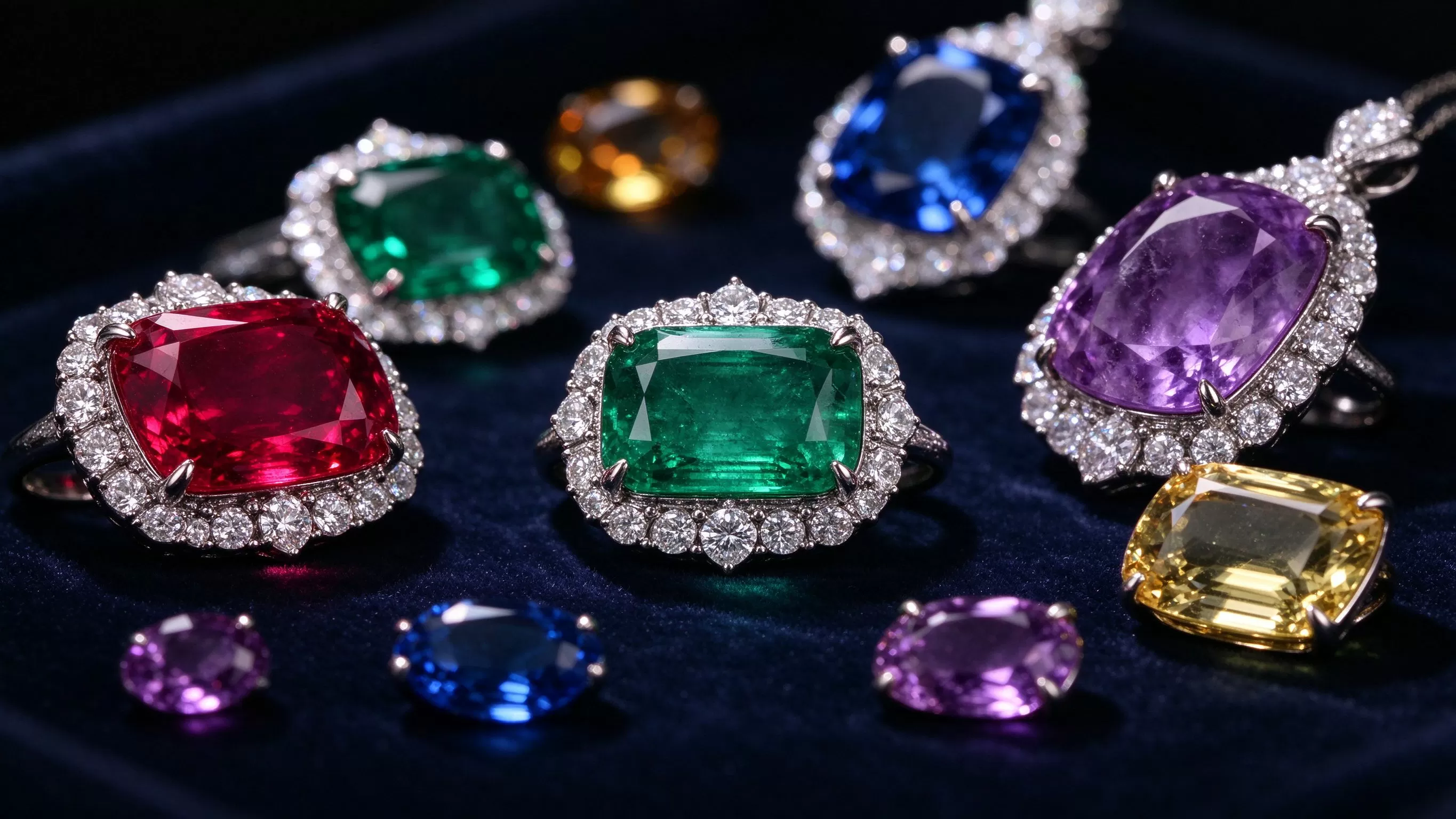
A sourcing manager is staring at two parcels. Parcel A is labeled ruby, 1.2ct oval, priced at $420 per carat wholesale. Parcel B is labeled pink sapphire, same size and roughly the same color, priced at $85 per carat. The buyer knows both stones are corundum, aluminum oxide, the identical mineral family. The entire difference is where the lab draws the color boundary between "ruby" and "pink sapphire," and that single word on the ticket moves the price by several times. This guide explains the boundary, how it is applied in practice, and what your product page must say so you do not get a dispute.
Same mineral, different name: the color boundary
Corundum is aluminum oxide. Red corundum is called ruby. Every other color of corundum, including blue, yellow, green, purple and pink, is called sapphire with a color prefix: pink sapphire. So ruby and pink sapphire are chemically the same material. The question is purely, how red is "red"? The traditional trade definition reserves the word ruby for stones with a sufficiently saturated, slightly purplish red to red-orange, often described as "pigeon's blood" at the top end. Light, pale, or pastel pink corundum is classified as pink sapphire. In practice the boundary sits where the red component dominates the pink; a stone that reads as "pink" rather than "red" is merchandised as pink sapphire, even though the mineral is identical. This is why a ruby versus garnet comparison is a different problem entirely; here we are inside one mineral family.
How labs classify it and why the price moves
Labs such as GIA classify ruby and sapphire by color grade, and the report will state the species and variety rather than argue the boundary for the trade. The price difference is not arbitrary: ruby, as the rarest red gemstone, commands a premium because fine red corundum is scarce and demand is concentrated around engagement and anniversary jewelry. Pink sapphire sits in a more accessible price band and is marketed as a lighter, modern alternative. A stone that is on the borderline can be called either way, which is exactly why the two parcels at the opening showed such different prices. For a sourcing team, the practical rule is: let the lab, not the booth, decide the variety, and price the parcel according to the certified variety. You can compare how this differs across other colored stones in our note on sapphire versus blue topaz.
What your product page must disclose
Calling a pink sapphire "ruby" to capture the higher price is a misrepresentation, and it is the kind of claim that generates chargebacks and listing removals. The honest merchandising position is to state the certified variety on the page, show the actual color in calibrated lighting, and let the price reflect the variety. Treatments matter too: heat treatment of corundum is accepted but should be disclosed, and glass-filled or heavily treated material must be described. If a stone carries a certificate, make sure the variety on the certificate matches the variety on the listing; our guide on reading a grading report and the GIA versus IGI versus GRA comparison explain where that line appears.
How to price the borderline stone
When a parcel sits on the color boundary, price it by the certified variety, not by ambition. If the lab grades a stone as pink sapphire, list and price it as pink sapphire even if the color is red-leaning; the upside of a higher ruby price is not worth a chargeback or a listing takedown. Buyers who want ruby should set a minimum color grade in their PO and ask for photos under daylight and warm light, because color shifts by screen and by lighting. For a product page, show two photos of the same stone: one in neutral daylight and one in warm indoor light, so the customer sees the range. Transparent color disclosure is what turns a one-time dispute into a repeat wholesale relationship.
Frequently asked questions
Is ruby and pink sapphire the same stone?
They are the same mineral (corundum) with the same hardness of 9 on Mohs. The difference is the color: red corundum is ruby, pink corundum is pink sapphire.
Where is the exact red/pink line drawn?
There is no single number. Trade and labs reserve "ruby" for saturated red to slightly purplish red; lighter pastel pink is classified as pink sapphire. A grading report settles it.
Why is ruby so much more expensive?
Fine red corundum is rarer and demand is concentrated. Pink sapphire is more available, which is why the same color on the borderline can carry a very different price.
Can I sell borderline pink-red corundum as ruby?
Only if a recognized lab grades it as ruby. Otherwise label it pink sapphire to avoid misrepresentation and chargebacks.
HOLYCOME supplies certified ruby and pink sapphire parcels with variety and treatments stated on the certificate. Send your target carat and color for a calibrated quote.
Frequently Asked Questions
How do I verify a factory before a bulk order?
Request a production video, business licence, export records and a paid sample run.
What payment terms do you offer?
30% T/T deposit with the balance against the bill of lading.
What is your normal reject rate?
3 to 5% under 10x loupe inspection; defective units are replaced free in the next shipment.
Where is the factory?
Wuzhou, Guangxi, China, with shipments via Guangzhou or Shenzhen.