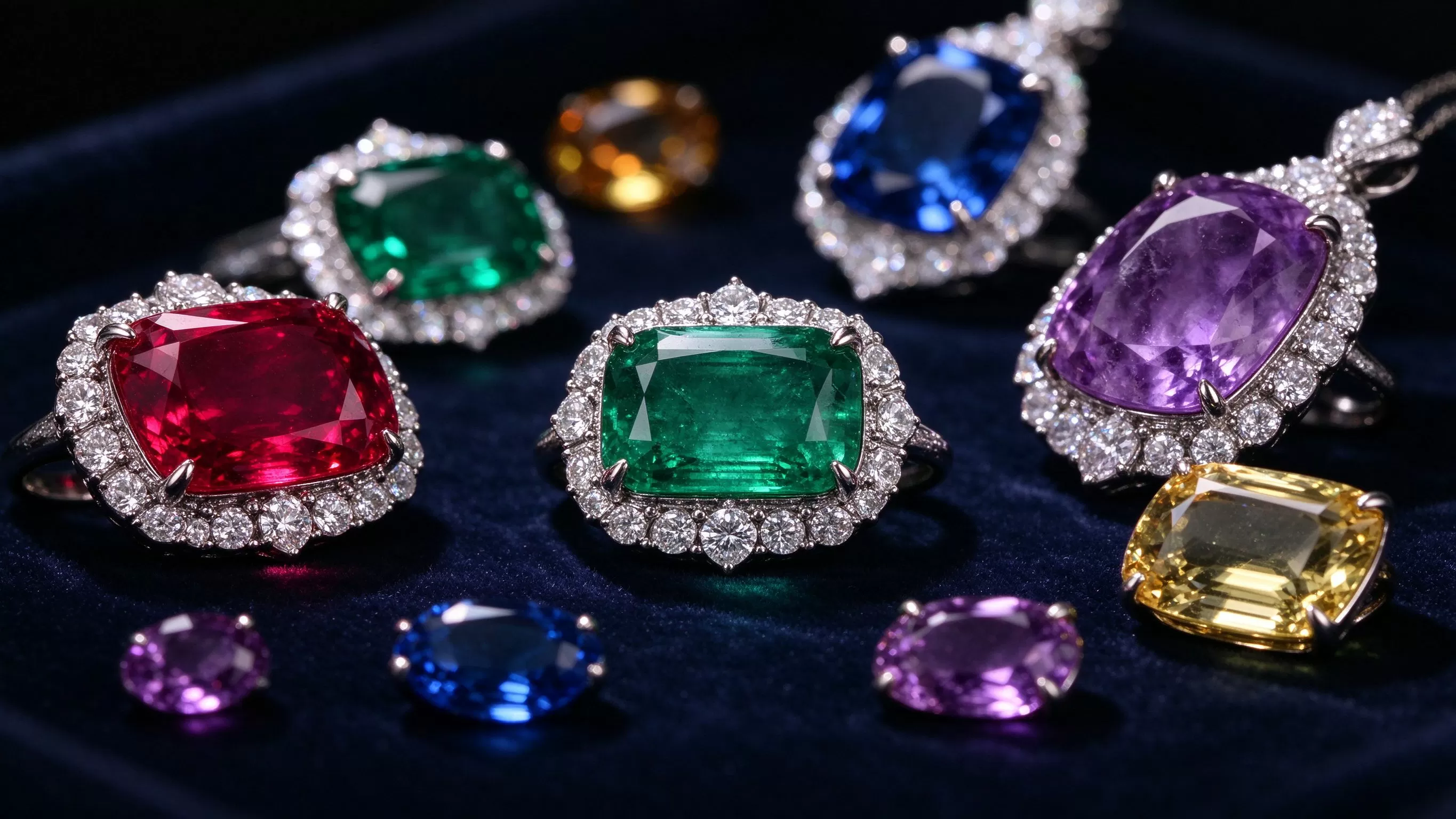
A 5,000-unit PO arrived at a boutique warehouse and was shelved straight to the sales floor. Within two weeks the store had 600 returns: stones that were already loose, plating that had rubbed on the high-contact edges, hallmarks that did not match the invoice, and a color shade that did not match the approved sample. The supplier refused to take the goods back because the warehouse had signed the delivery note as accepted. The loss was avoidable, and it was entirely a process failure at the receiving door. This guide is the incoming inspection checklist sourcing teams use to catch defects before stock goes live, and the documentation that makes a claim stick with the factory.
What to check at goods-in
1. Piece count and SKU match. Confirm the carton count against the packing slip, and check that the SKU and size on the piece match the PO. It is surprising how often a wrong-size run arrives.
2. Stone security. Under a loupe, check every prong seat. A loose stone that does not click firmly into its setting will fall out in the customer's first week. Test prongs with gentle pressure; a bent or short prong is a defect, not wear.
3. Plating and finish. Run a finger along the edges, inside bands and clasps, where plating wears first. Compare the color to the approved production sample under the same lighting. Mismatched rose or gold tones usually mean a different plating bath than the sample.
4. Hallmarks and markings. Confirm the karat or sterling stamp, and that the marking matches the invoice and the product listing. Under 16 CFR Part 23, the fineness mark must be present and accurate, and base-metal pieces that are plated must be disclosed. The relevant grades are defined in ISO 9202.
5. Clasps, hinges and chains. Open and close every clasp ten times. A spring ring that catches, or a chain link that kinks, is a defect that will become a return.
Sampling versus 100 percent inspection
Inspecting every piece in a 5,000-unit run is slow, but opening only three cartons is too little. A practical sampling approach is to inspect 100 percent of the first two cartons to confirm the production run matches the sample, then statistically sample roughly 10 to 20 percent of the remaining cartons, spread across the pallet. If the sampled defect rate exceeds about 3 percent, escalate to 100 percent inspection or reject the batch. This is the same logic a factory audit applies; our notes on MOQ and factory audit planning and market buyer tips cover how to build the relationship that makes re-inspection fast. On plating specifically, our guide to electroplating and color wear lists what thickness you should be checking against the spec sheet.
Documentation that protects reorders
Take dated photos of every defect, keep the approved sample side by side, and note the carton number and SKU on a goods-in log. Sign the delivery note as "received pending inspection," not "accepted," so the supplier remains responsible. If stones carry certificates, verify the certificate against the stone before stocking; our guide on spotting a fake report and reading a grading report covers that check. A documented, photo-backed rejection is far easier for a factory to honor than a verbal complaint two weeks later.
Build a rejection rate history per supplier
Over a year, track the sampled defect rate for every supplier in a simple spreadsheet: carton count, defect type, defect percentage, and whether the goods were accepted, cleaned or returned. You will quickly see which factories hold a consistent two percent defect rate and which swing between two percent and twelve percent. That record lets you negotiate price and payment terms based on evidence rather than gut feel, and it tells you which suppliers deserve a larger share of your next PO. A supplier with a clean, documented inspection history is worth a slightly higher unit price, because the hidden cost of returns and re-inspection usually exceeds the discount you would save elsewhere.
Frequently asked questions
How much of a bulk delivery should I inspect?
Inspect the first two cartons at 100 percent to confirm the run matches the sample, then sample 10 to 20 percent of the rest. Escalate to full inspection if defects exceed about 3 percent.
What is the most common hidden defect?
Loose stones and short prongs, which pass a visual check but fail within the customer's first weeks. Test every setting under a loupe.
How do I make a rejection stick with the factory?
Keep dated photos, carton numbers, the approved sample side by side, and sign the delivery note as "received pending inspection" so the supplier stays responsible.
What marking must be on every piece?
Accurate fineness (karat or 925) and disclosure of plating on base-metal pieces, per 16 CFR Part 23 and ISO 9202.
HOLYCOME ships every wholesale order with pre-shipment QC photos and an inspection sheet you can use at goods-in. Ask our team for a sample QC report and MOQ terms.
Frequently Asked Questions
How do I verify a factory before a bulk order?
Request a production video, business licence, export records and a paid sample run.
What payment terms do you offer?
30% T/T deposit with the balance against the bill of lading.
What is your normal reject rate?
3 to 5% under 10x loupe inspection; defective units are replaced free in the next shipment.
Where is the factory?
Wuzhou, Guangxi, China, with shipments via Guangzhou or Shenzhen.