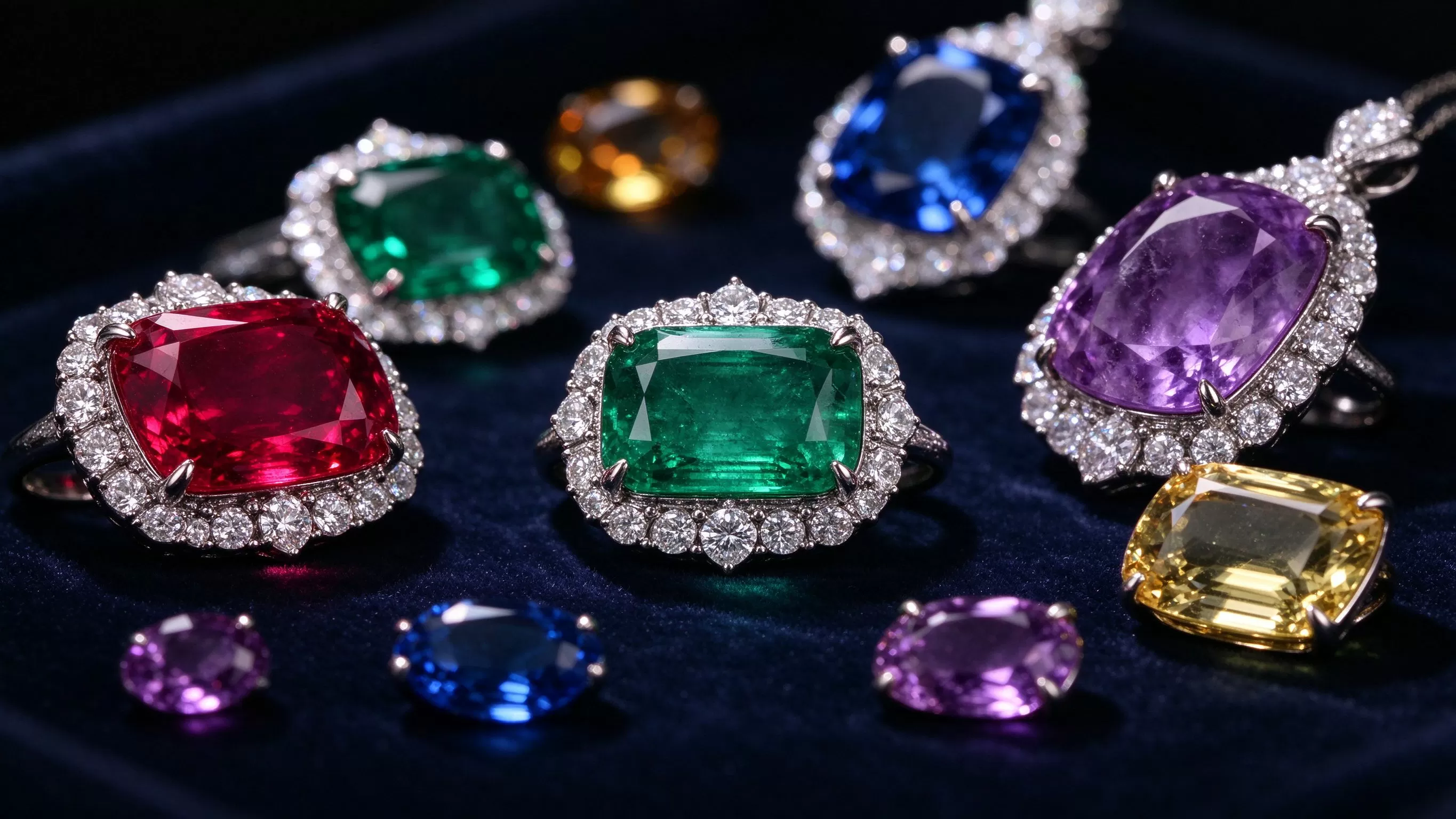
A first-time buyer at a Tucson booth last spring held two 1 carat sapphires side by side: one round brilliant, one emerald step cut. Same color, same clarity, same origin. The step cut was 30% cheaper, and the buyer assumed it was a flaw. It was not. It was the cut yield and the faceting hours, and that gap is the single most under-appreciated price lever in wholesale gems.
Cut cost splits into three lines
When a cutter prices a stone, three things move the number. First is yield: what fraction of the rough survives the cut. A round brilliant wastes 50% to 60% of the rough on average, because the cutter must round the shape and align the facets. An emerald step cut follows the natural crystal shape and can keep 70% to 80% of the rough, which directly lowers the per-finished-carat cost. Second is faceting hours: a well-proportioned round brilliant on a sapphire takes 3 to 8 hours of skilled labor depending on size; a simple step cut takes 1 to 3. Third is demand premium: the round brilliant is the shape customers expect, and the market pays a 15% to 25% shape premium for it. The framework buyers use to compare proportions is the same cut-grading logic behind the GIA 4Cs, specifically the cut factor.
Why "poor cut" is often a smart buy
On a colored stone, the cut grade is more forgiving than on a diamond, because color is the purchase reason. A slightly shallow-step emerald sapphire that looks dull under a loupe can read beautifully in a closed-bezel setting, and it wholesales 20% to 40% cheaper than a "premium cut" of the same color. The trade method for buying on color rather than on cut grade is described in the per-carat trade method for loose gems, and the setting choice that rescues a soft-cut stone is in prong versus bezel buying tips.
Shape premium cheat sheet for buyers
Across a typical colored-stone parcel, the shape order from most expensive to least is: round brilliant, cushion, oval, emerald step, pear, marquise, trillion, freeform cabochon. The step and cabochon shapes are where the margin lives, because most retail buyers do not ask for them. A store that stocks a step-cut sapphire pendant at a mid wholesale ticket will often out-margin a round brilliant solitaire at the same ticket, because the customer is paying for color, not shape cachet. Compare the light-performance angle in cushion versus radiant light performance and the elongated-shape fit in pear versus marquise elongated cuts.
The incoming inspection step
Before you sign a parcel, weigh the finished stones against the expected yield for the cut. A parcel of 10 round brilliant sapphires that all come out heavier than expected per finished carat is usually a sign of over-weighted chunky cuts that leak light through the pavilion. A parcel of step cuts that all come out lighter is the normal result of good yield. Use a loupe and the lightbox method in the lightbox tray inspection method to separate good-cut economics from bad-cut economics.
Which gem cut costs the most per carat?
The round brilliant, because of rough yield loss and faceting hours. Expect a 15% to 25% shape premium over a step cut of the same color and clarity.
Is a step cut lower quality?
No. On colored stones, a step cut can show color better than a round brilliant. It reads dull under a loupe but alive in a setting.
Why do cabochons cost less?
A cab uses almost the whole rough, polishes in under an hour, and is a shape the market discounts despite being the right choice for asterism and chatoyancy stones.
Does cut matter more on diamonds or on color stones?
On diamonds, cut is a value driver. On color stones, color is the driver, and cut is a margin lever you can use in your buying.
How a cutter quotes you back
When you ask a cutter to quote a custom cut, expect three line items: the rough cost, the faceting labor, and the polishing time. A round brilliant on a 5 carat rough sapphire might quote at $120 to $250 in labor, while the same rough cut as a freeform cab quotes at $25 to $40. The labor line is where the margin decision happens, not the rough. If your retail customer pays on color, a step cut or cab delivers the same color at a fraction of the labor cost, and you keep the difference as margin rather than paying the cutter to produce a shape the customer does not ask for. Always ask for two quotes per parcel: one in the shape the customer names, and one in the shape the rough actually wants to become. The second quote is often the one that builds the relationship.
Need a parcel that uses cut economics to widen your margin? HOLYCOME supplies calibrated step-cut and cabochon colored stones in consistent lots, with per-stone weight and treatment notes. Read our first-order checklist or request a parcel quote.
Frequently Asked Questions
How is wholesale jewelry priced?
By metal weight plus stone cost plus labor and plating. Ask for a line-by-line quote so you can compare suppliers on the same basis.
Why do two suppliers quote very different prices?
Metal purity, plating thickness, stone grade and QC standard differ. A cheaper quote usually means thinner plating or lower stone clarity.
What volume discount should I expect?
Typically 5–12% from 500 to 2,000 pieces, and better terms on repeat programs. Ask for the tier table before you commit.
What are the payment terms?
30% T/T deposit, 70% against the bill of lading. Sample costs are credited against the bulk order.