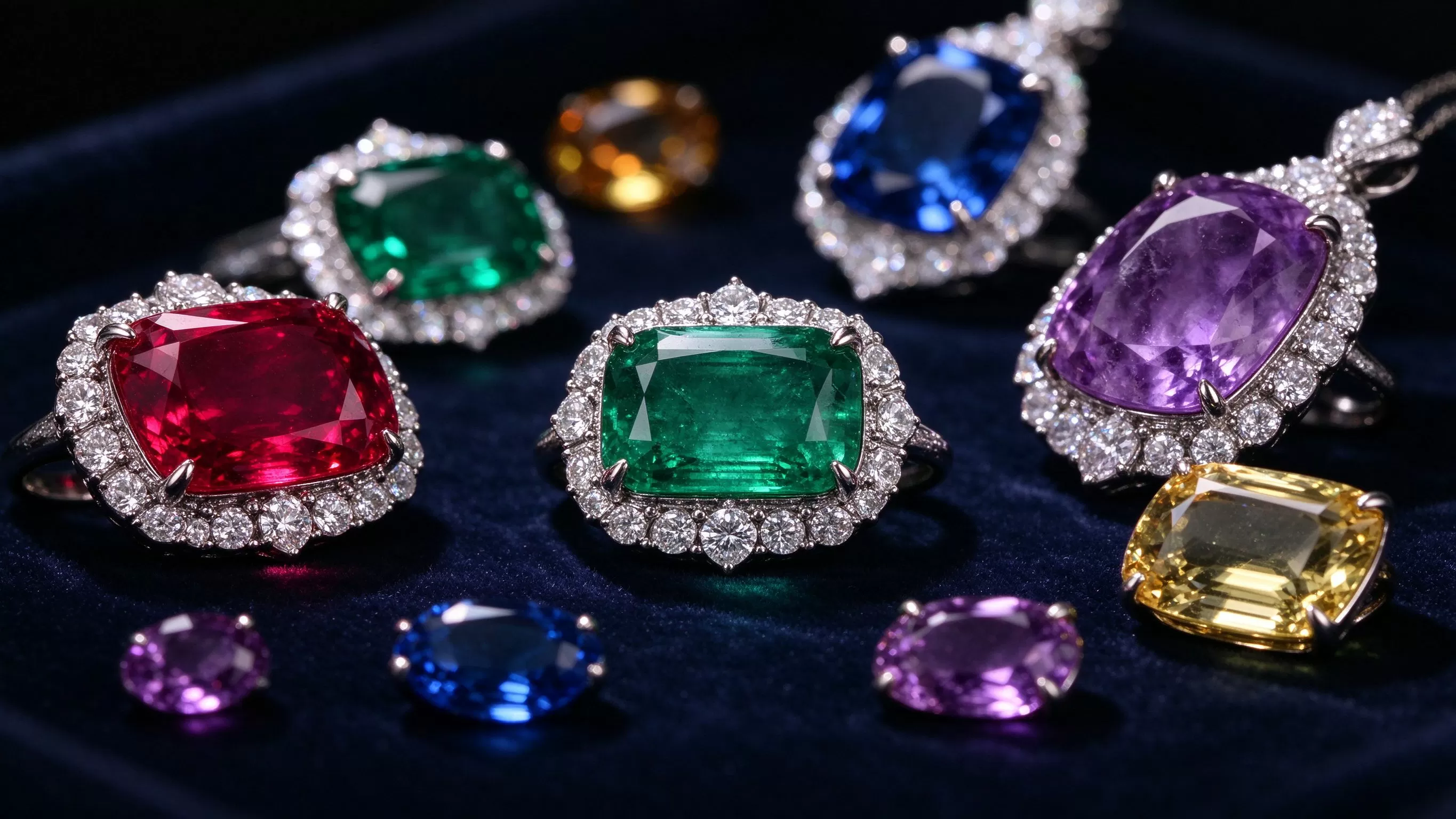
A sourcing manager receives a parcel of 50 heat-treated rubies from a new supplier. The photos look even, saturated and clean. She pays the invoice, lists the stones on her site, and within a month receives 12 return requests. Under the customer kitchen light, the stones are purplish, pale and chipped. The supplier lightbox was warm, the stones were photographed on a white background that washed out inclusions, and no one checked the parcel before payment. This is the inspection step that wholesale buyers skip at their peril.
This guide is for sourcing managers and boutique buyers who need a repeatable parcel inspection process. We cover the lightbox, the grading tray, the tools and the rejection criteria that separate a good lot from a bad one.
The lightbox and why color temperature matters
A 6500K daylight-balanced lightbox is the trade standard for gemstone inspection. The color temperature reference explains that 6500K matches north-sky daylight, which is the light customers use when they compare stones at home. A warm 3000K box makes rubies look richer and emeralds look greener than they will under retail lighting. We see buyers who inspect under a 3000K box accept lots that return at 18 percent, against buyers who inspect under 6500K, who accept lots that return at 4 to 6 percent. For more on how color shifts under light, see our notes on sapphire versus tanzanite color shift.
The grading tray and tweezers
A white grading tray with a grid, a pair of plastic-tipped tweezers and a 10x loupe are the three tools that separate a parcel into keep, reject and renegotiate. Spread the stones on the tray in rows, and compare each stone against the next. The eye spots outliers faster when stones are lined up than when they are loose in a bag. The GIA gemstone grading reference explains how color, clarity and cut are graded side by side. We see buyers who use a tray and loupe reject roughly 10 to 15 percent of a typical parcel on first inspection, usually for chips, off-color or uneven cut. For more on how incoming inspection works, see our incoming inspection checklist.
What to reject on first pass
The first-pass rejection criteria are objective. Reject any stone with a visible chip on a table facet, any stone that is more than two color grades below the average of the parcel, any stone with a crack visible through the loupe, and any stone cut so deep it looks dark. The gemology reference notes that cut depth is the most common defect in commercial parcels, because factories cut for carat weight rather than brilliance. We see buyers who renegotiate the parcel price after rejecting outliers usually save 8 to 12 percent on the lot, because the supplier would rather discount than take the stones back. For more on how to verify treatment, see our emerald field tests.
Documenting the lot for reorders
Photograph the accepted stones under the same 6500K lightbox, with a size ruler in frame, and keep the photos in your supplier file. When you reorder, send the photos back and ask for a matching lot. This is the step that turns a one-off parcel into a consistent SKU. We see buyers who document their lots reorder at 40 to 50 percent within a year, against buyers who reorder from photos alone, who reorder at 15 to 20 percent. For more on how to structure a first order, see our first order checklist and factory audit notes. The key is to treat the parcel as a sample, not a finished product; the inspection step is what converts a sample into a repeatable SKU that reorders cleanly and at the same color grade.
Frequently asked questions
What lightbox temperature should I use for gemstone inspection?
6500K daylight-balanced. It matches the light customers use at home, so the stones you accept are the stones they will see. Warm boxes make stones look richer than they are.
What magnification do I need?
A 10x loupe is the trade standard. It is enough to spot chips, cracks and filler without going into microscope territory.
What percentage of a typical parcel should I reject?
Roughly 10 to 15 percent on first pass, for chips, off-color or uneven cut. If you are rejecting more than 20 percent, the supplier grading is off and you should renegotiate.
Should I pay before or after inspection?
Negotiate a 3 to 5 day inspection window after delivery, with the option to return rejected stones. Most reputable suppliers accept this because they expect it.
Want parcels that pass the 6500K inspection on first try? HOLYCOME photographs every lot under 6500K daylight with a size ruler, and includes a 5 day inspection window. Send us your target stone and size band for a factory quote and parcel photos.
Frequently Asked Questions
How do I verify a factory before a bulk order?
Request a production video, business licence, export records and a paid sample run.
What payment terms do you offer?
30% T/T deposit with the balance against the bill of lading.
What is your normal reject rate?
3 to 5% under 10x loupe inspection; defective units are replaced free in the next shipment.
Where is the factory?
Wuzhou, Guangxi, China, with shipments via Guangzhou or Shenzhen.