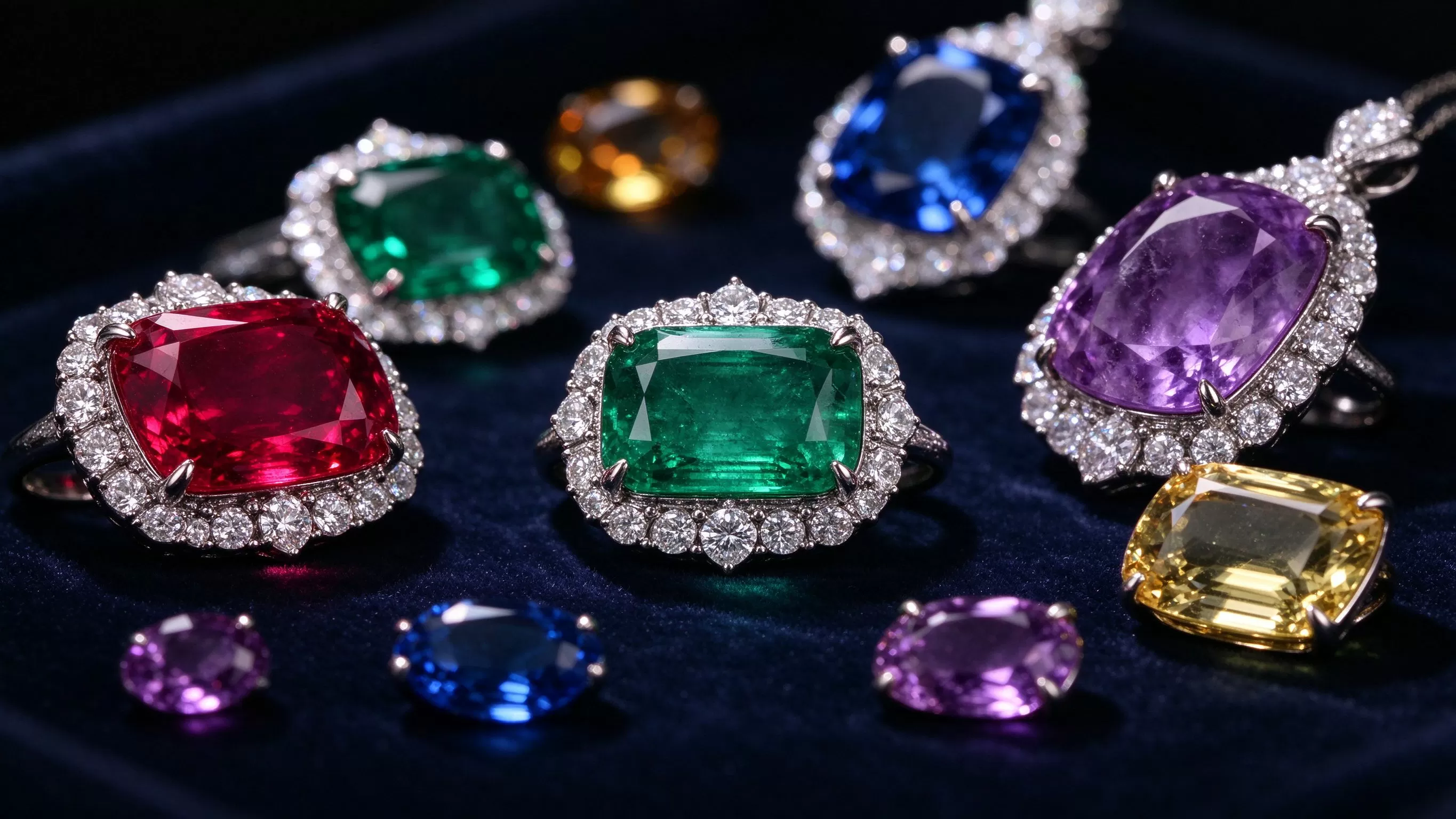
A buyer once received a parcel of faceted stones that looked perfect in the supplier photos, only to find on arrival that half the stones were off-color and a few were chipped. The supplier defense was reasonable: the buyer had not inspected before accepting. In wholesale gem buying, the parcel is the product, and a store that skips incoming inspection absorbs the loss. This guide sets out a loupe-and-lightbox inspection routine with a sampling rule that catches duds before payment.
Set up the inspection bench
You need three things: a neutral 5500K lightbox, a 10x loupe, and a white inspection tray. Phone light and shop spotlights lie; phone cameras push color, and warm spotlights make weak stones look richer. Sort the parcel on the white tray under the lightbox so color reads as it will in a customer daylight window. The loupe entry on Wikipedia explains why 10x is the standard magnification trade inspectors use, and the parcel-sorting method is tied to how prices are built in loose gemstone pricing per carat. We also cover the incoming paperwork side in wholesale jewelry incoming inspection checklist.
What to look for on each stone
Check four things before accepting a parcel: face-up color under neutral light, visible inclusions or chips under the loupe, cut symmetry (are the facets aligned, is the stone windowed or off-center), and size consistency across the lot. Color is where parcels lose money: a matched parcel often hides one greenish stone next to two fine ones. Chips on pavilion edges show up only under the loupe, and windowed stones (stones you can see through) read dead in a setting. Compare the sort logic with our lightbox method in parcel inspection with a lightbox and tray, and with how settings reward good cut in prong and bezel setting buying tips.
A sampling rule that catches duds
Inspecting every stone in a 50-piece parcel is slow, but accepting the whole lot unseen is reckless. A practical middle is an AQL-style sample: open and check at least 10 to 20 percent of the lot, prioritizing random stones rather than the top ones the supplier laid out. If the sampled stones are within agreed color and clarity range, accept the lot; if more than a small share are off-grade, reject or renegotiate the whole parcel before payment. Document the inspection with lightbox photos dated on arrival, so a dispute has evidence. This routine is the same discipline a good factory uses before shipping, so the stones that reach you should already be consistent.
Keep a simple inspection log for every parcel: the supplier, the date, the lot number, the sample size, the number rejected, and the resolution. Over a season this log becomes buying intelligence. It tells you which suppliers send consistent color and which ones hide their weakest stones at the bottom of the tray, and it lets you renegotiate or drop a supplier based on recorded evidence rather than a hunch. It also protects you if a customer later disputes a piece, because the arrival photos show the stone as it was when you received it. Treat incoming inspection as a profit-protecting step, not a bottleneck; the few minutes it takes per parcel are tiny compared with the margin lost on a single off-grade lot that you cannot return. Also separate rejected stones rather than mixing them back into good stock, because a single chipped pavilion in a customer order creates a warranty claim that costs far more than the stone itself. Keep a small pile for rejects and photograph them, Treat every parcel as a one-time acceptance decision, because once payment clears the leverage disappears. Keep the rejected stones separate, photograph them, and ask the supplier to sort the next lot more tightly before shipping rather than after a dispute has already cost you the margin.
FAQ: Inspecting wholesale gem parcels
Can I trust the supplier photos?
No. Phone and studio photos distort color. Inspect on arrival under a 5500K lightbox and a 10x loupe, and keep dated photos for any dispute.
How much of a parcel should I check?
Sample 10 to 20 percent at random, not just the top stones. If the sample is off-color or chipped beyond tolerance, renegotiate the whole lot before paying.
What defects lose the most money?
Off face-up color, chips on pavilion edges, windowed or off-center cuts, and size mismatch across a matched lot. Catch all four under the lightbox and loupe.
Should I inspect before or after paying?
Inspect before final acceptance. Agree on inspection rights and a return window in the order terms, and photograph the parcel on arrival.
Buying loose gem parcels? HOLYCOME ships pre-sorted, lightbox-photographed lots with per-parcel color and treatment notes, and accepts inspection before acceptance. Read our first-order checklist or request a quote for your next parcel.
Frequently Asked Questions
How do I verify a factory before placing a bulk order?
Request a production video, business license, export records and a paid sample run. A factory that accepts a 50-piece test order is usually a real manufacturer.
What payment terms do you offer?
30% T/T deposit with the balance against the bill of lading. This protects both sides on first orders and can move to net terms after a track record.
What is your normal reject rate?
3–5% under 10x loupe inspection for cast and set pieces. Defective units are replaced free in the next shipment.
Where is the factory located?
Wuzhou, Guangxi, China—the core lab-grown and moissanite manufacturing cluster. Shipments go via Guangzhou or Shenzhen ports.